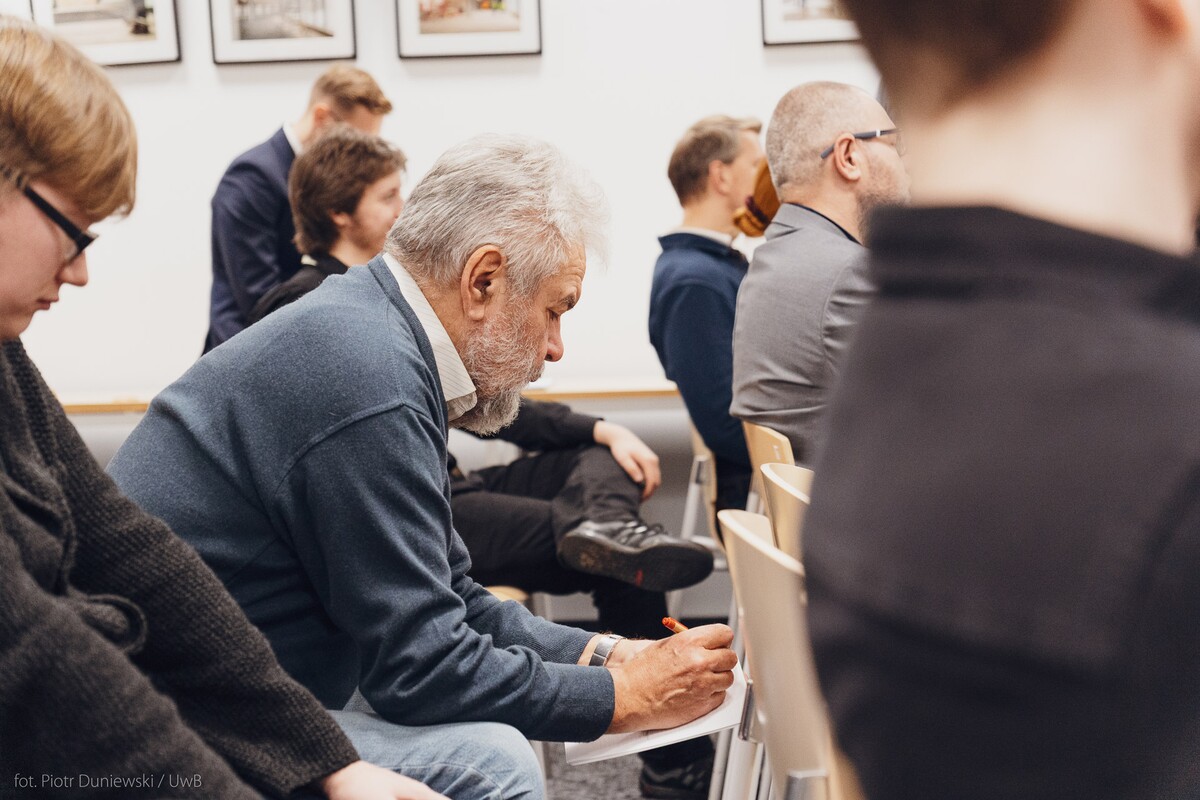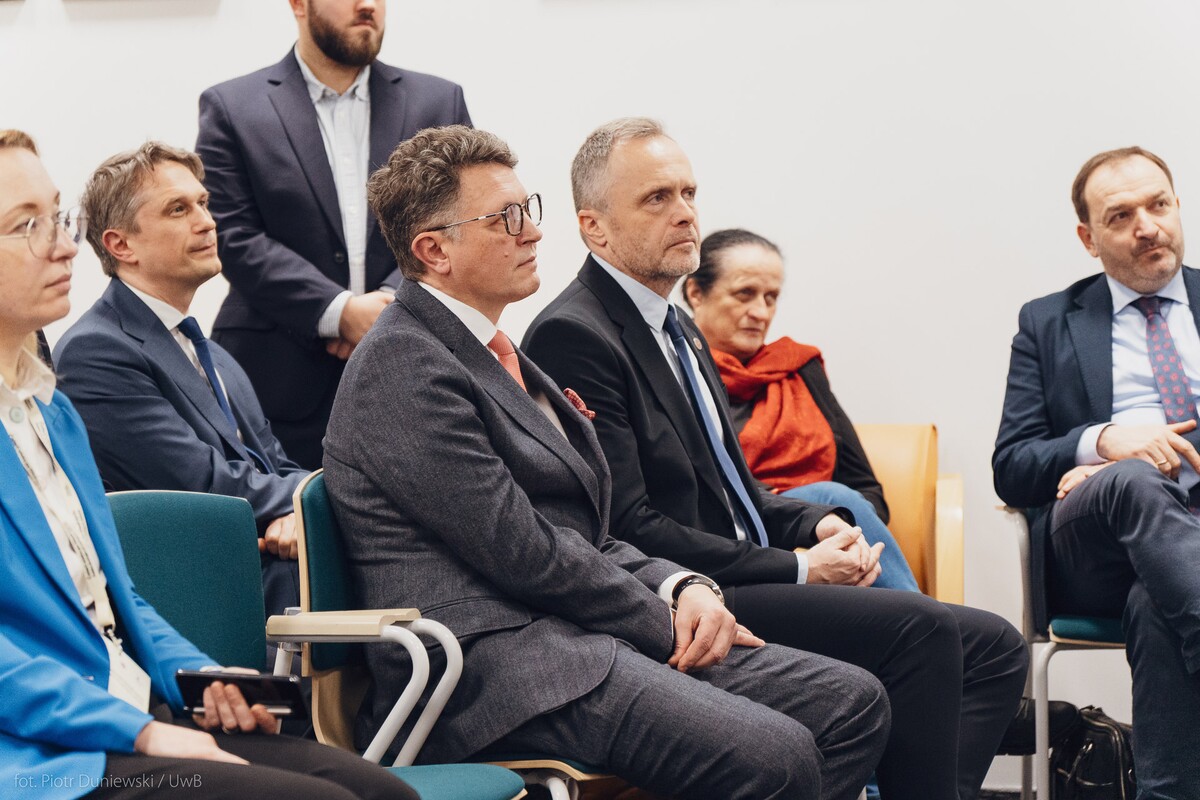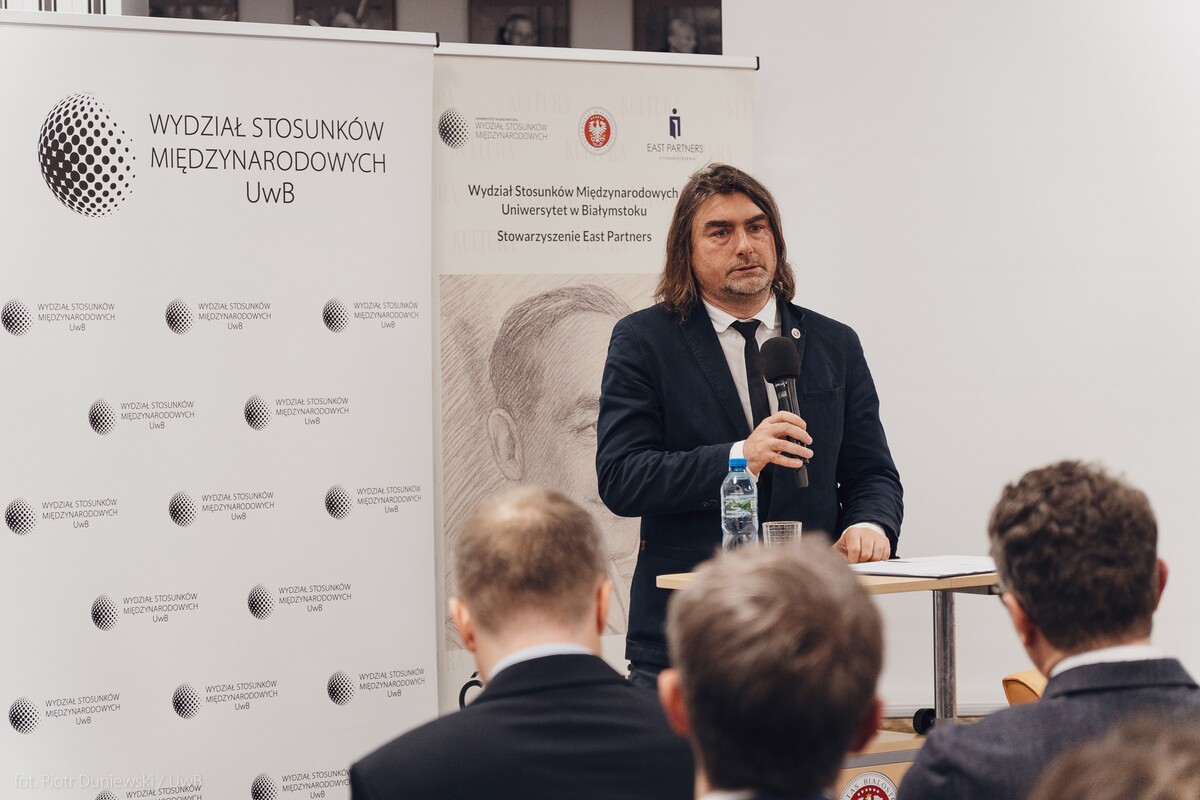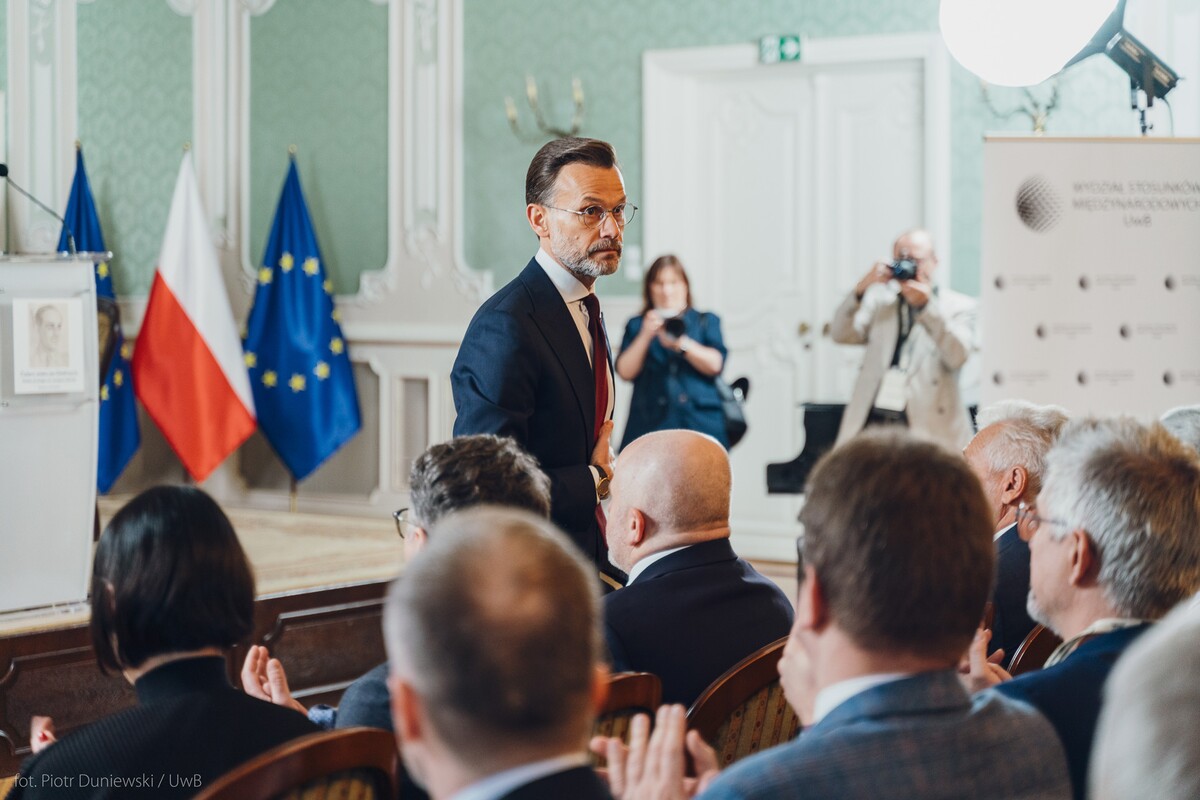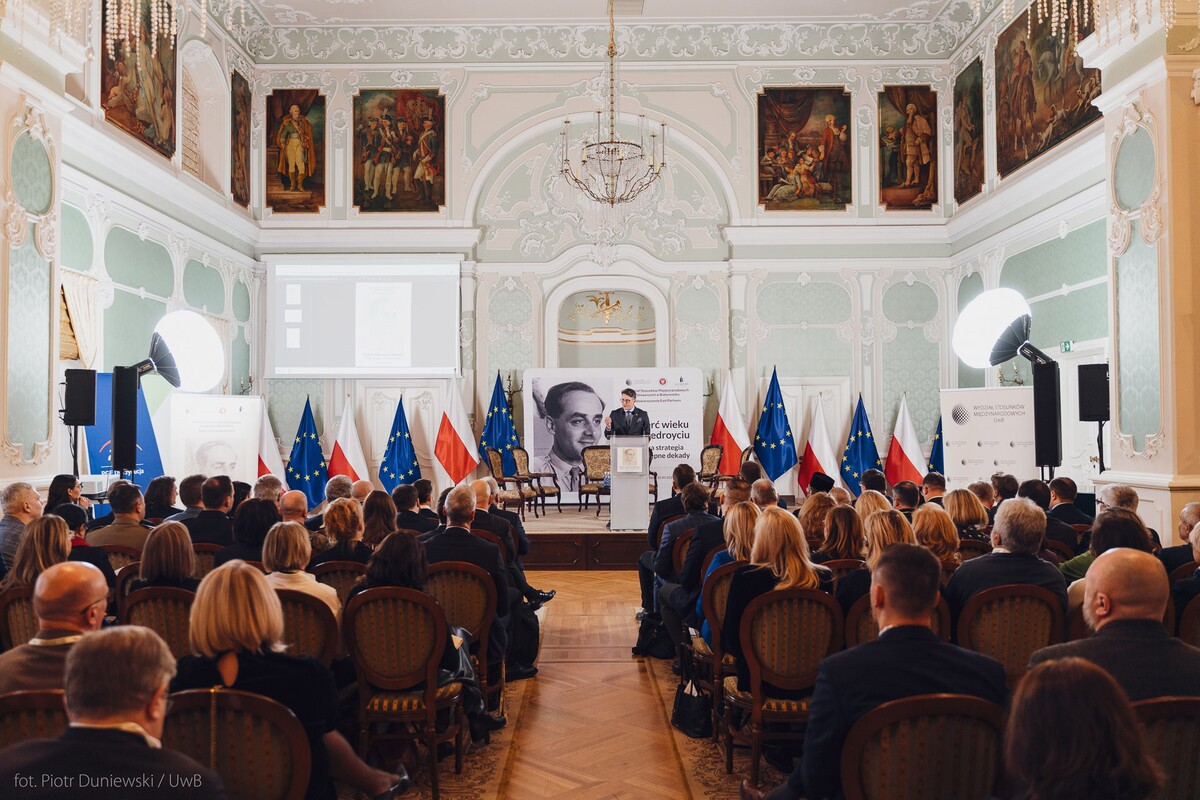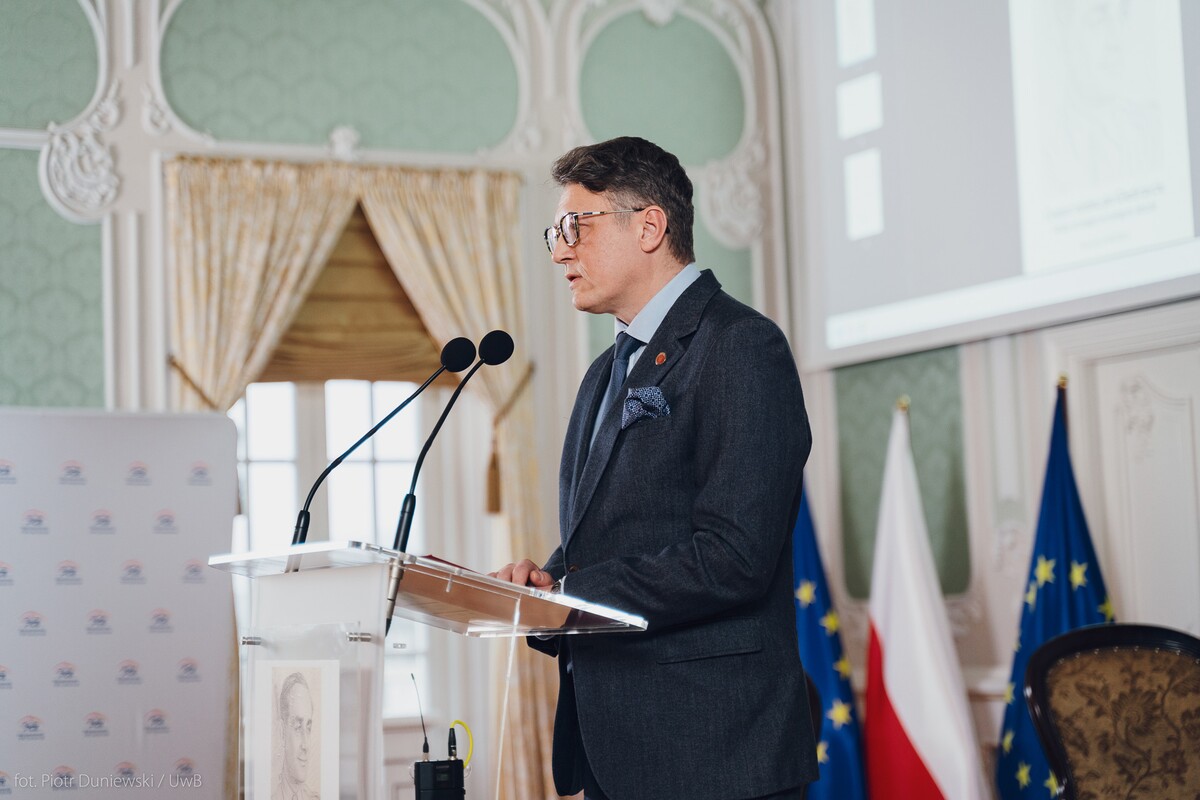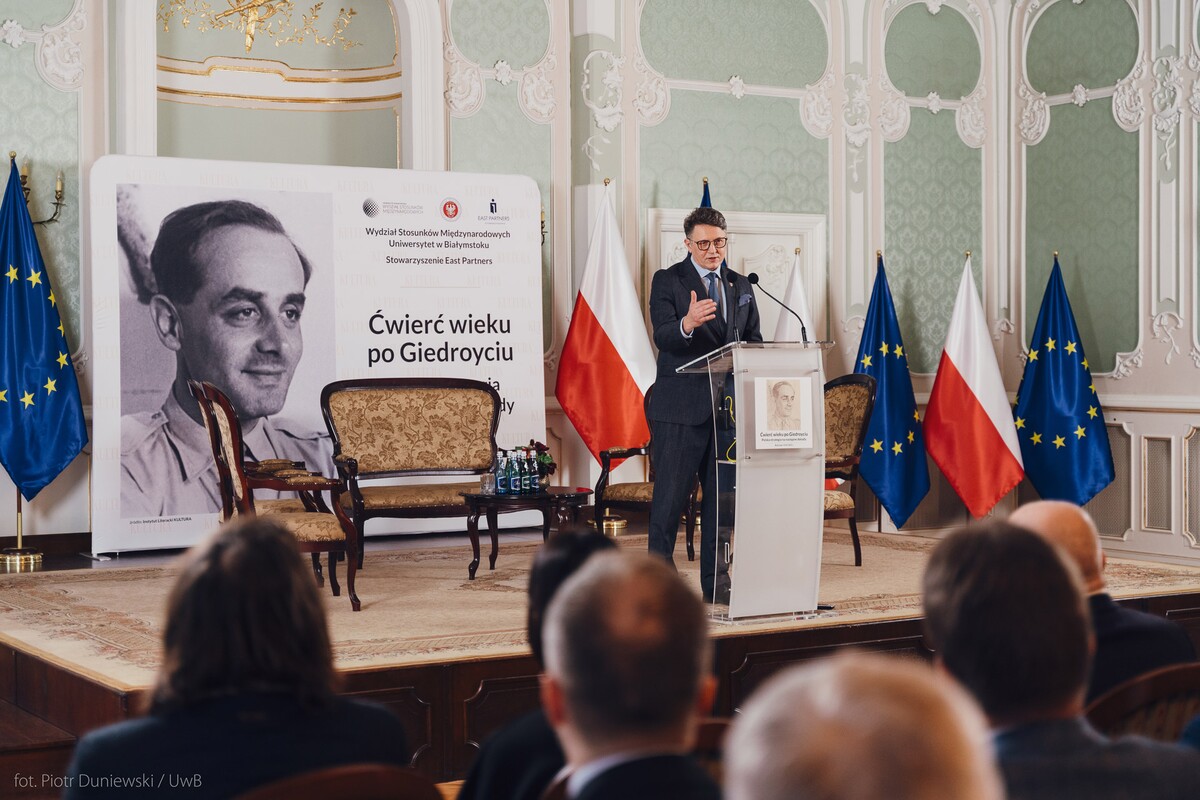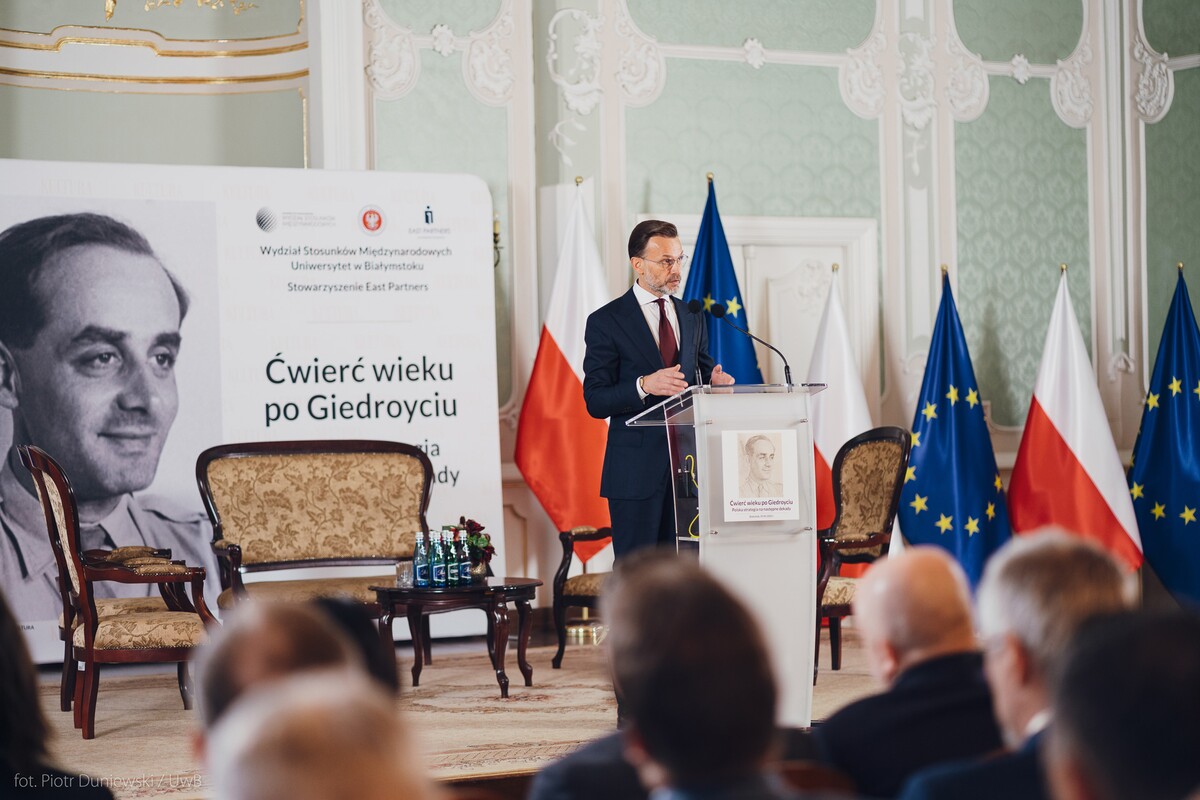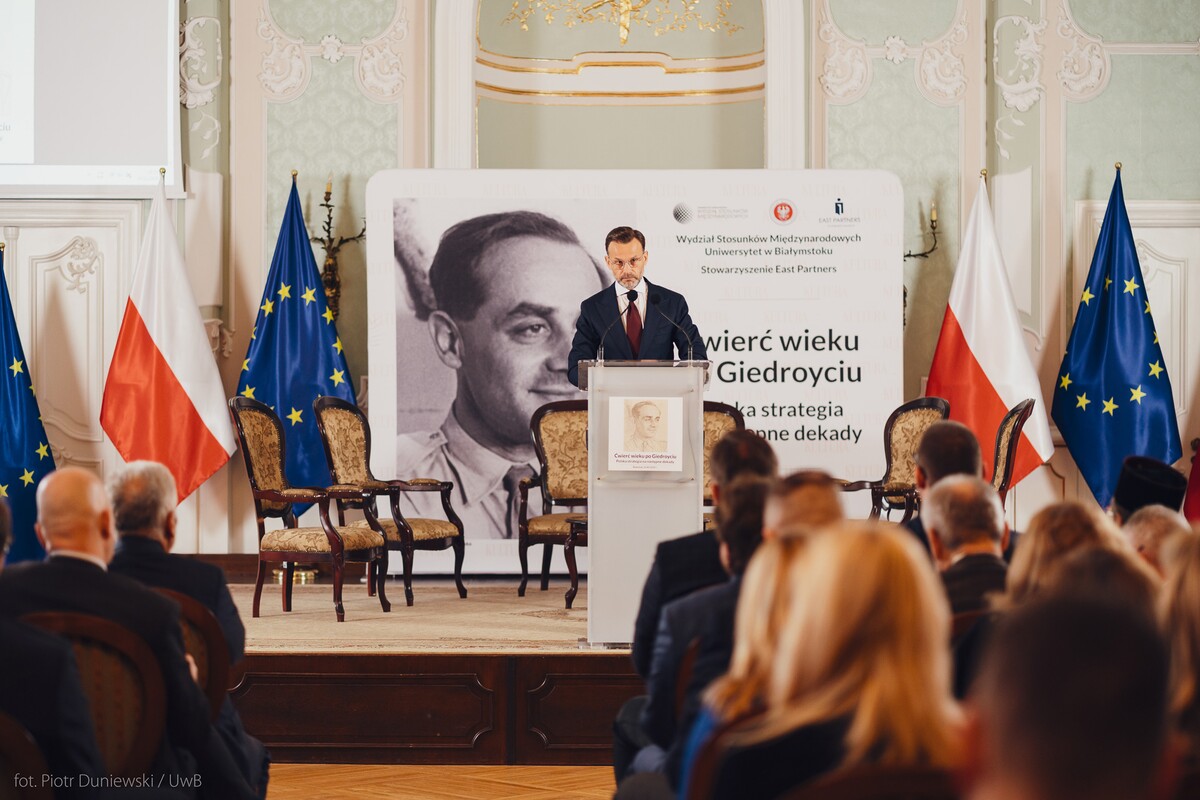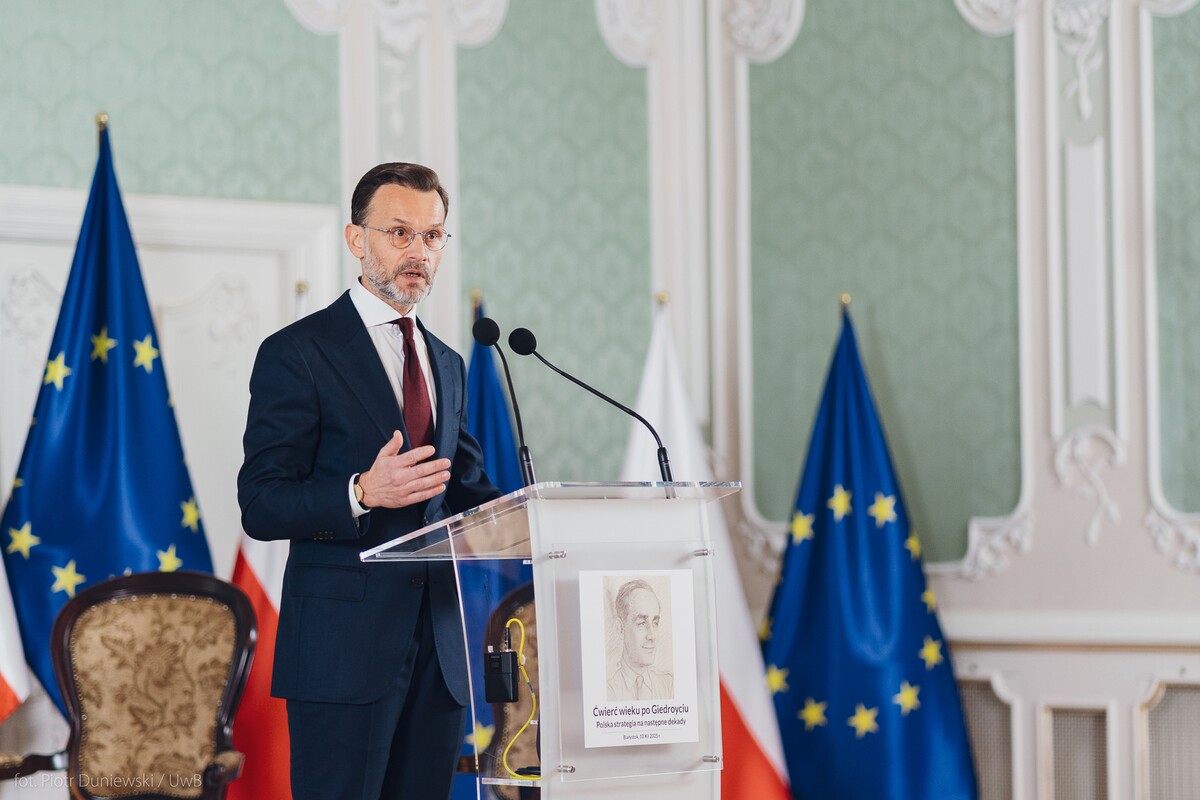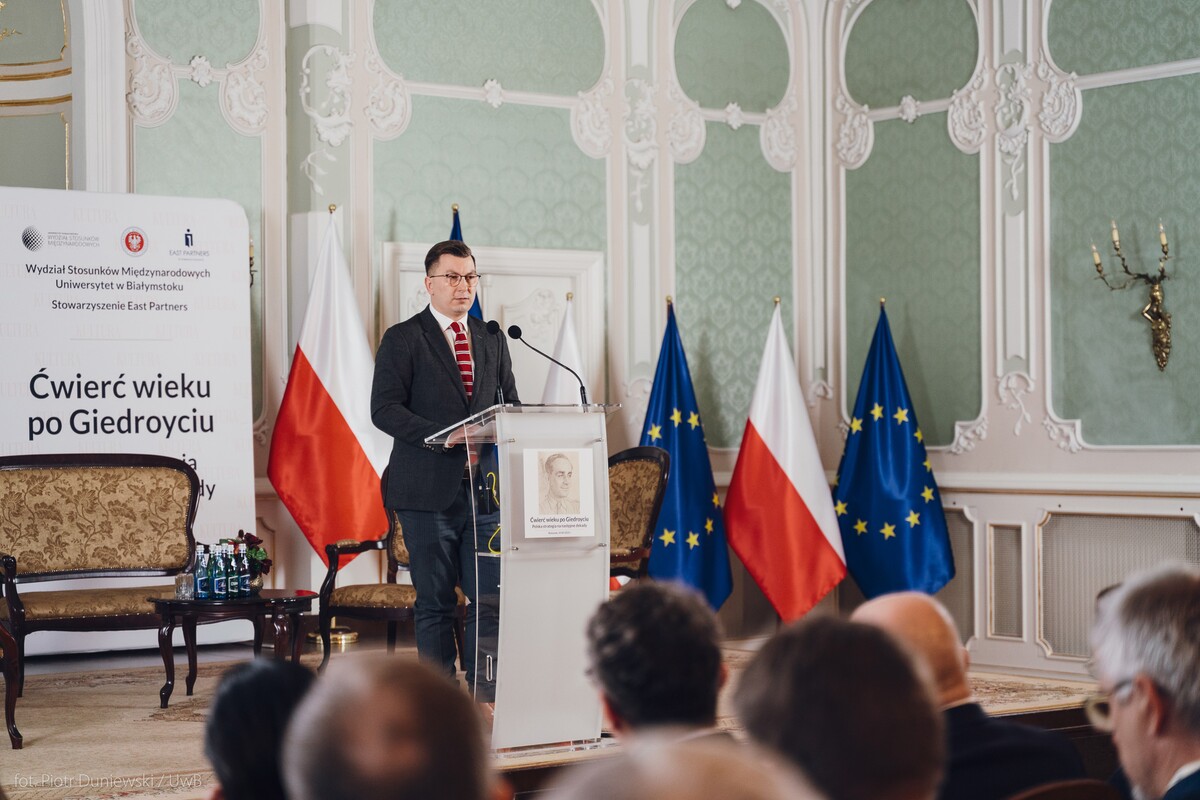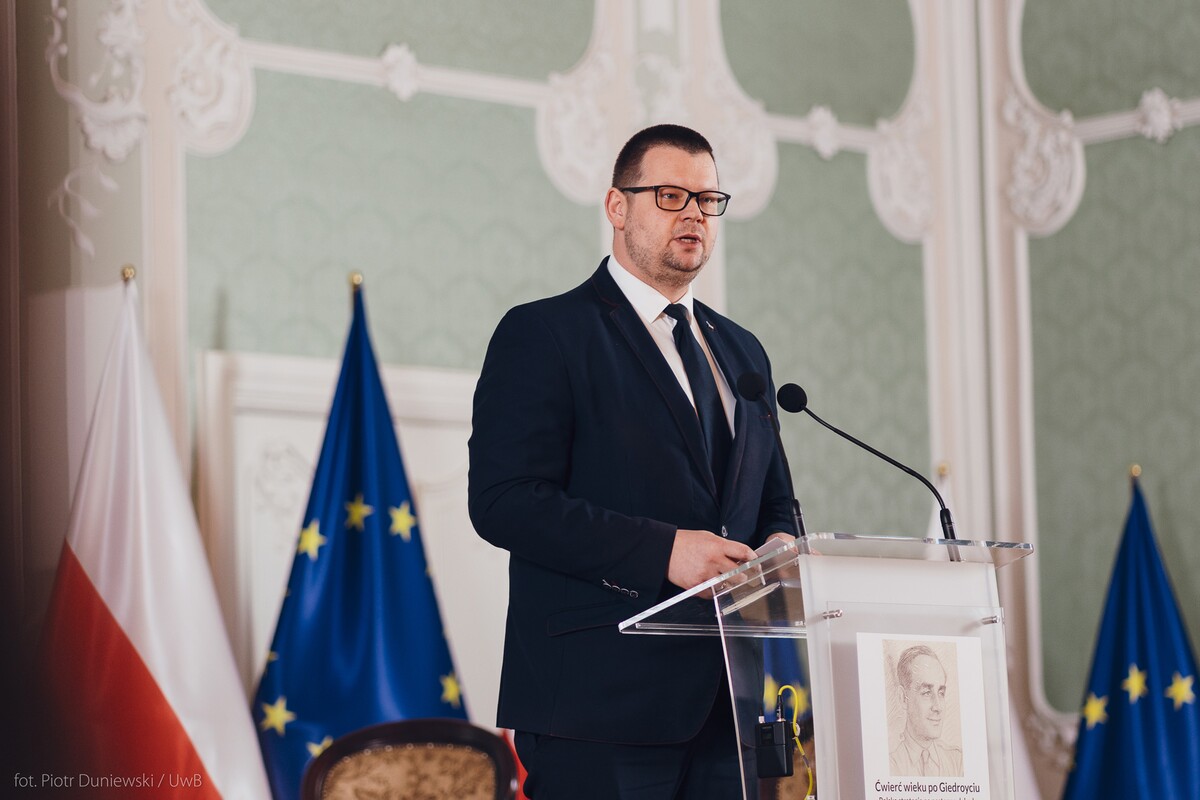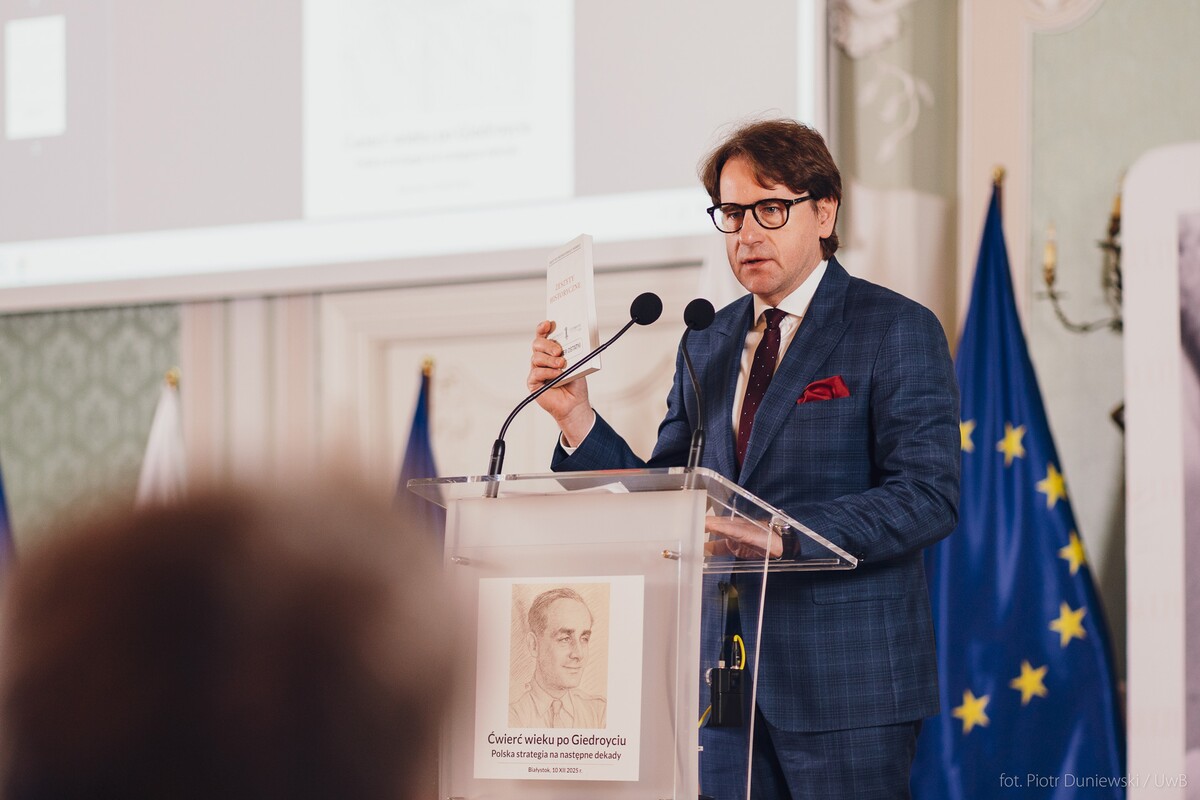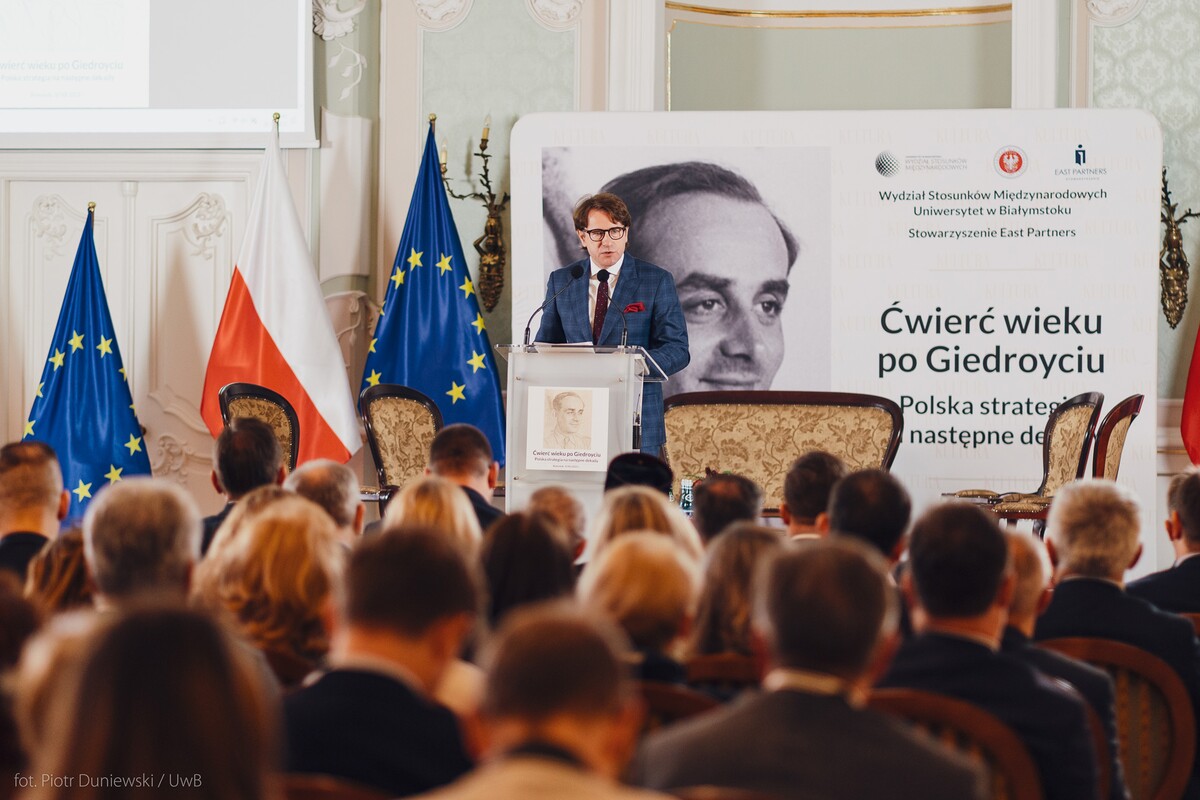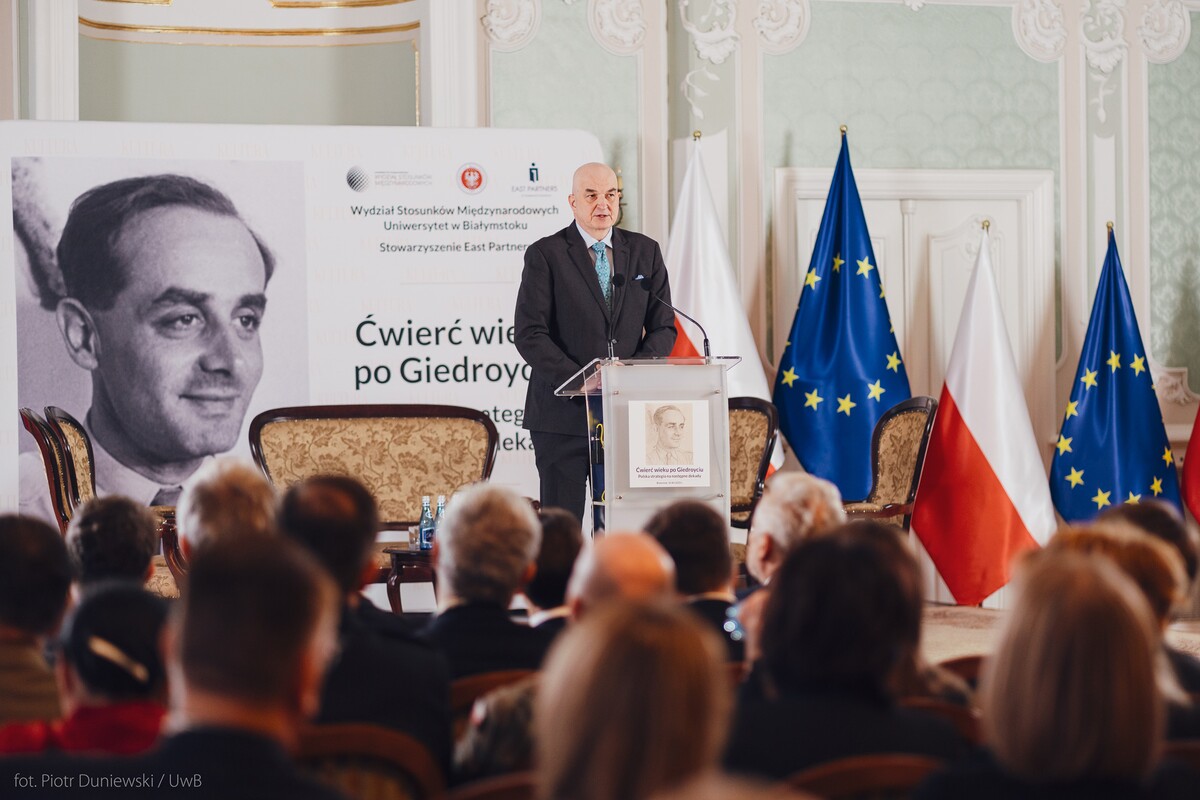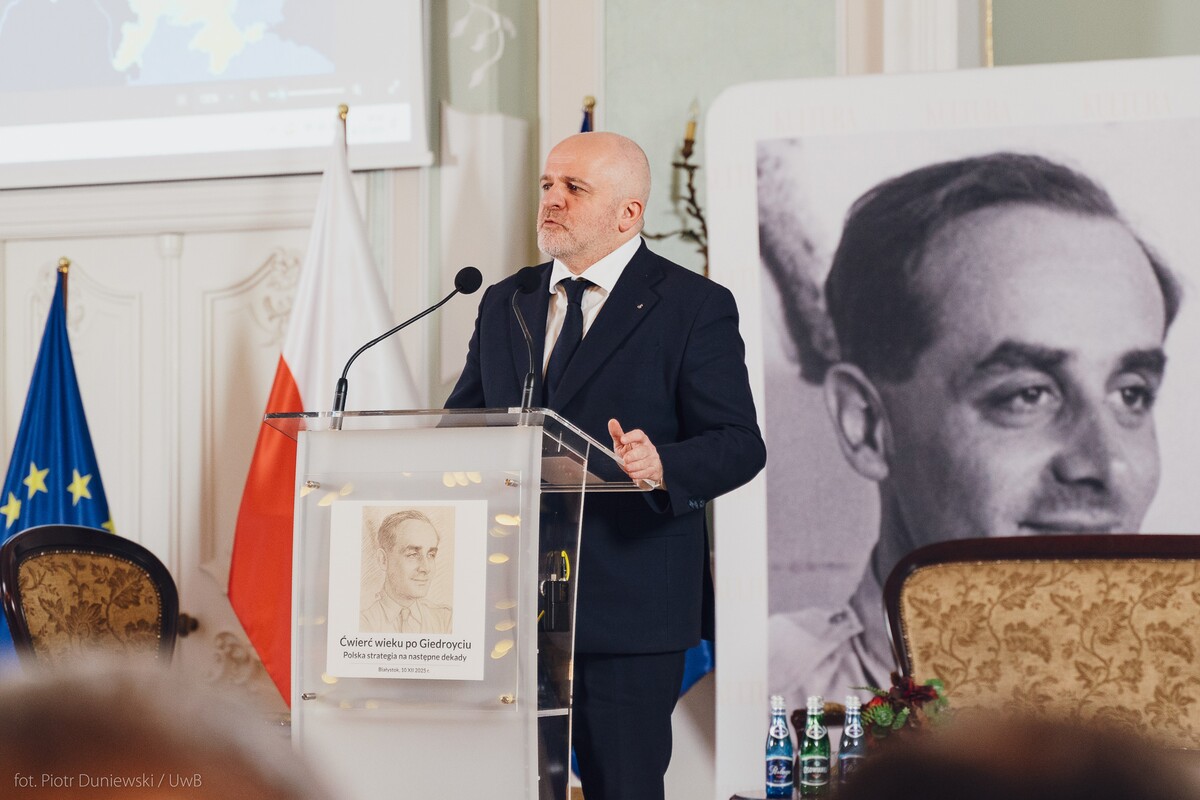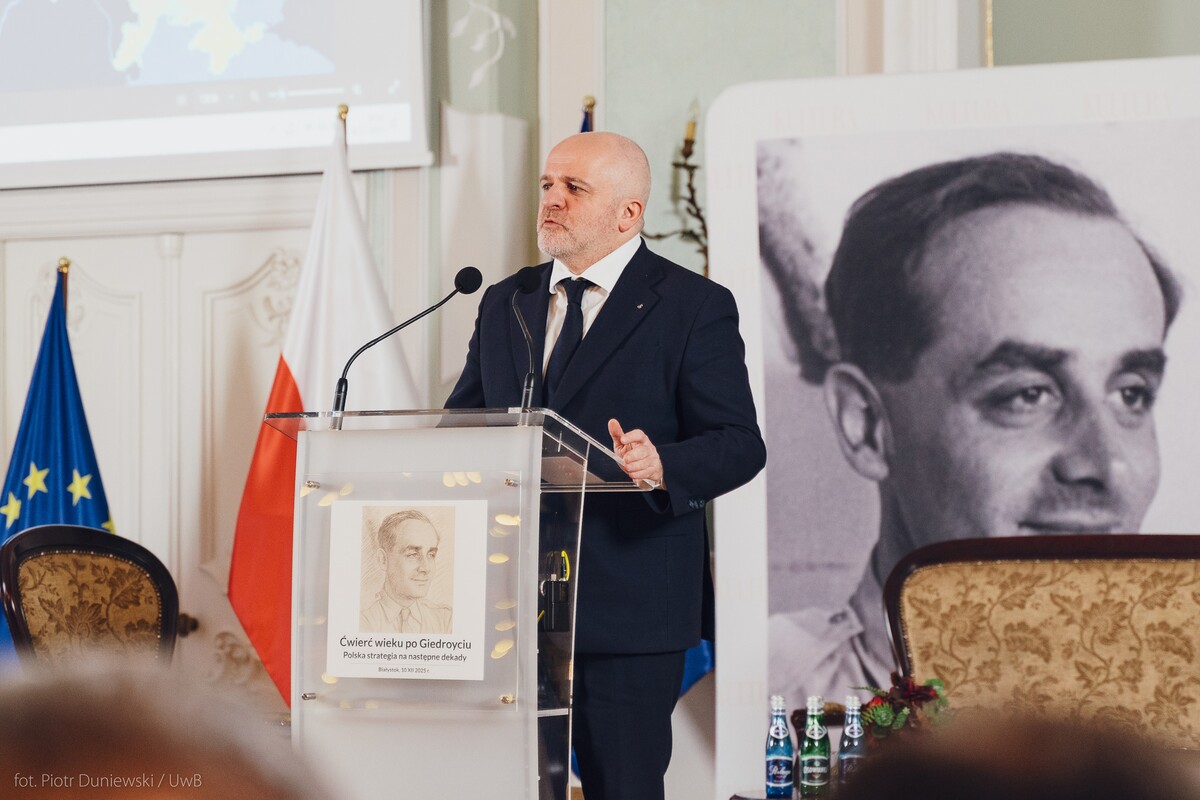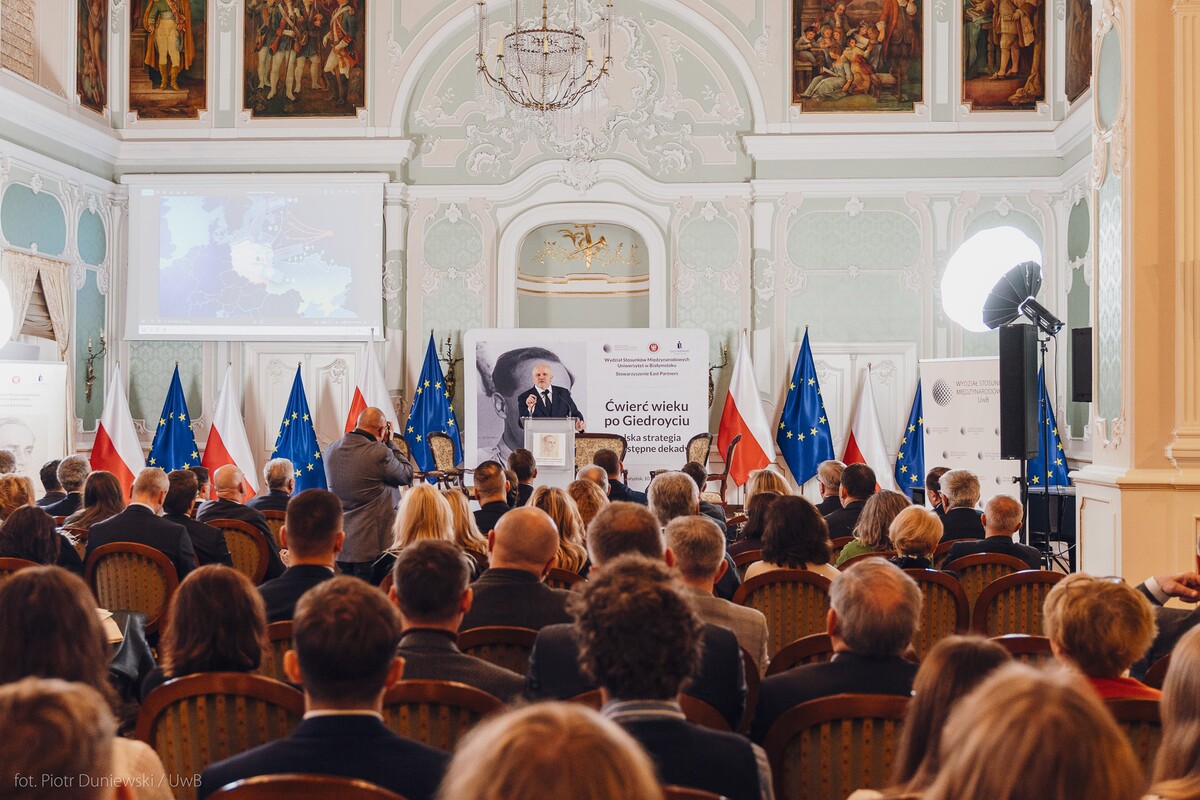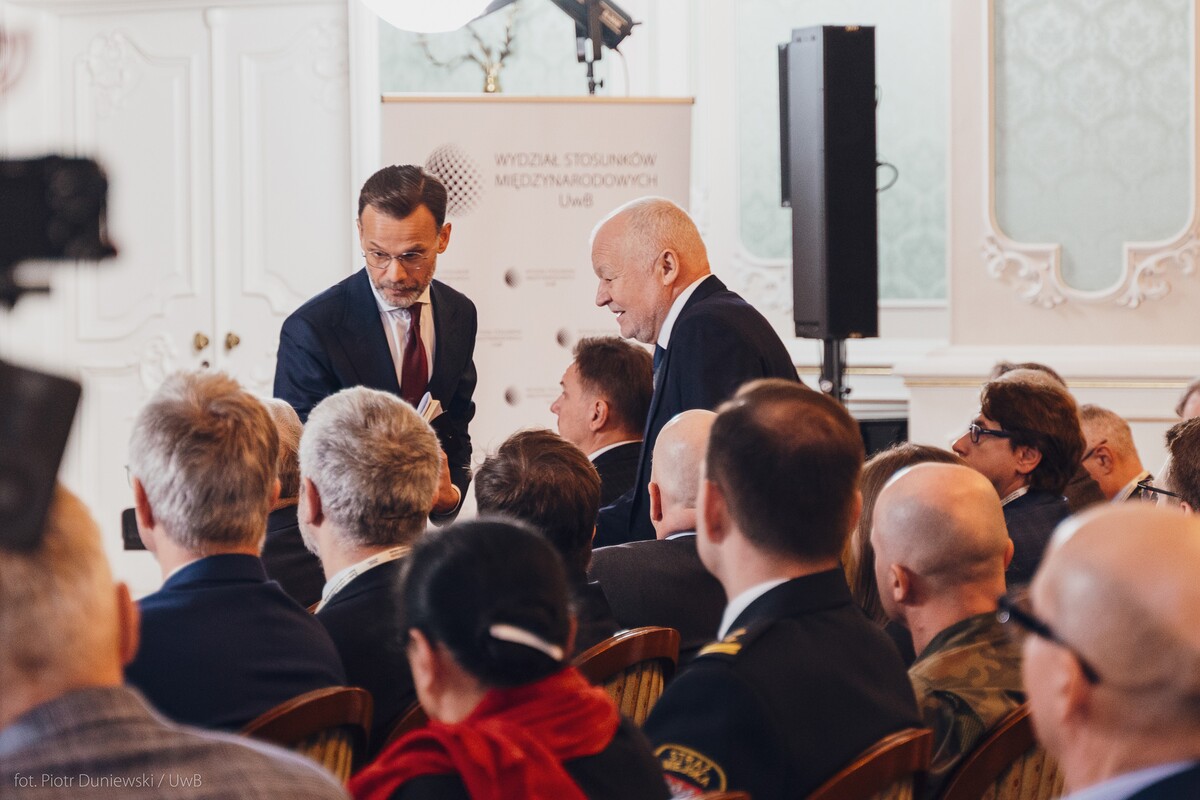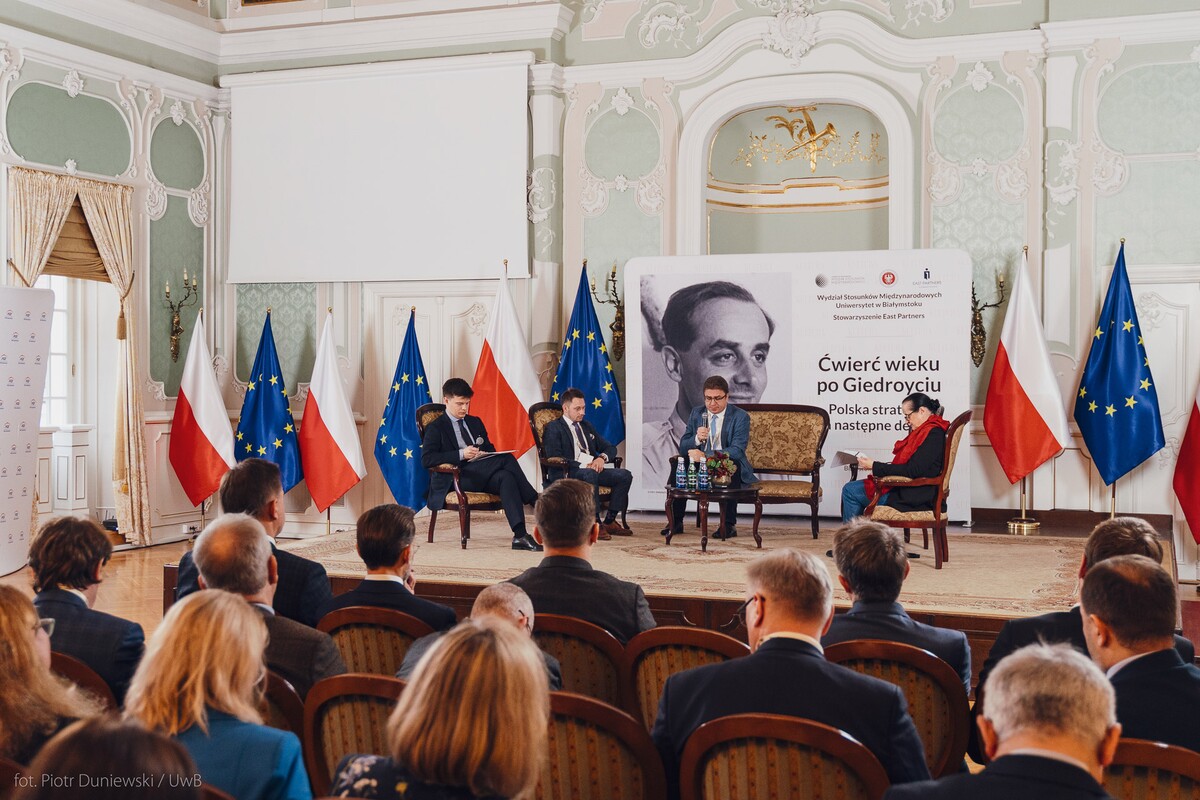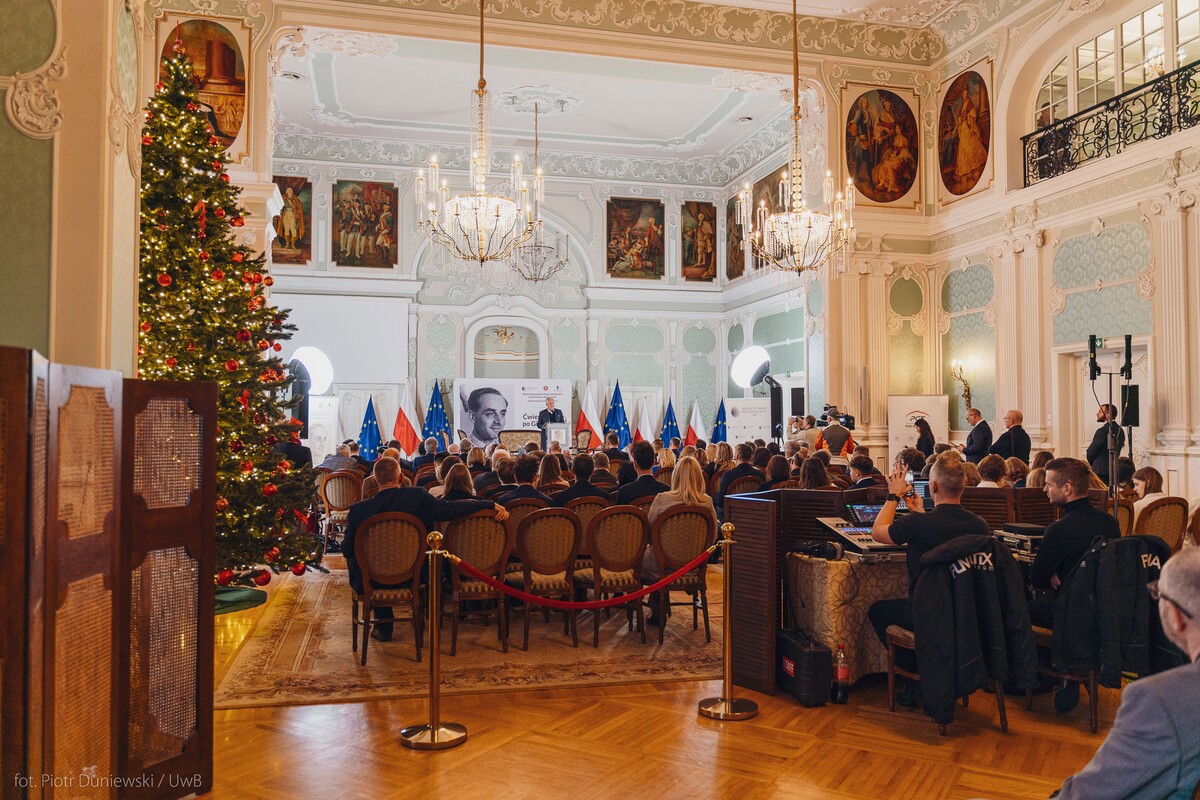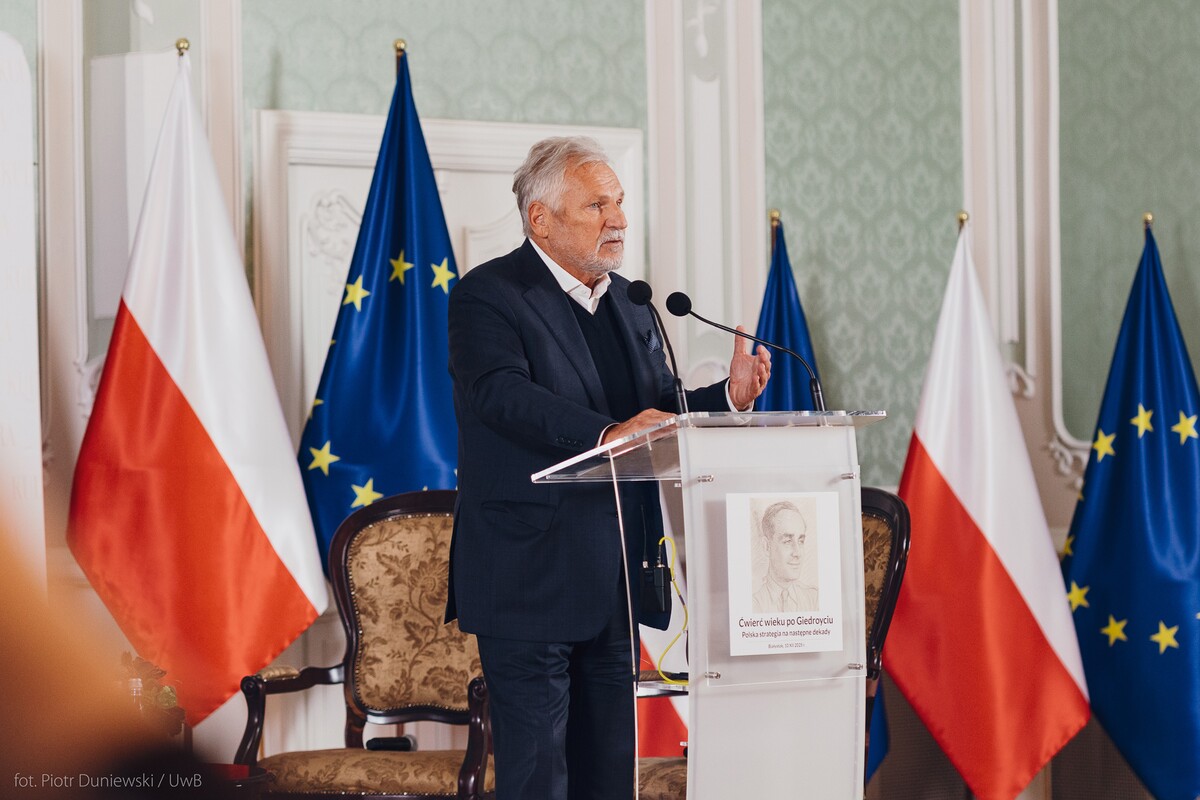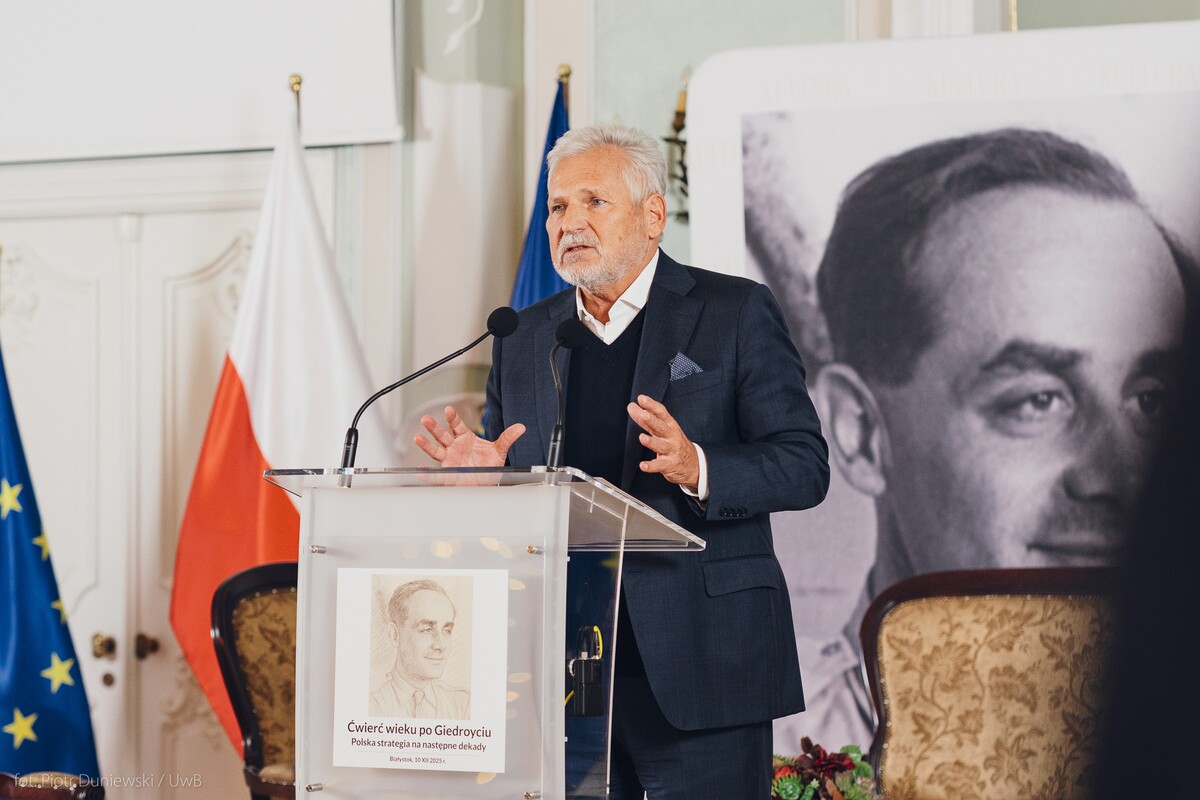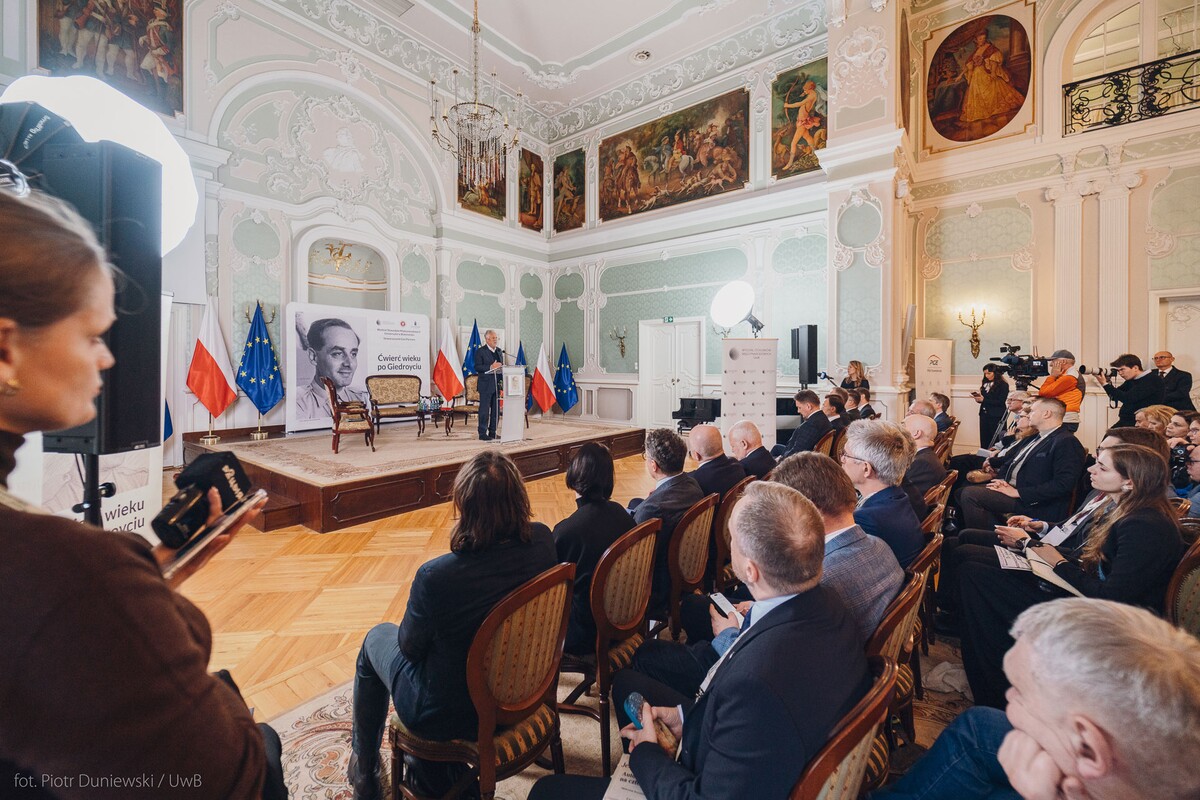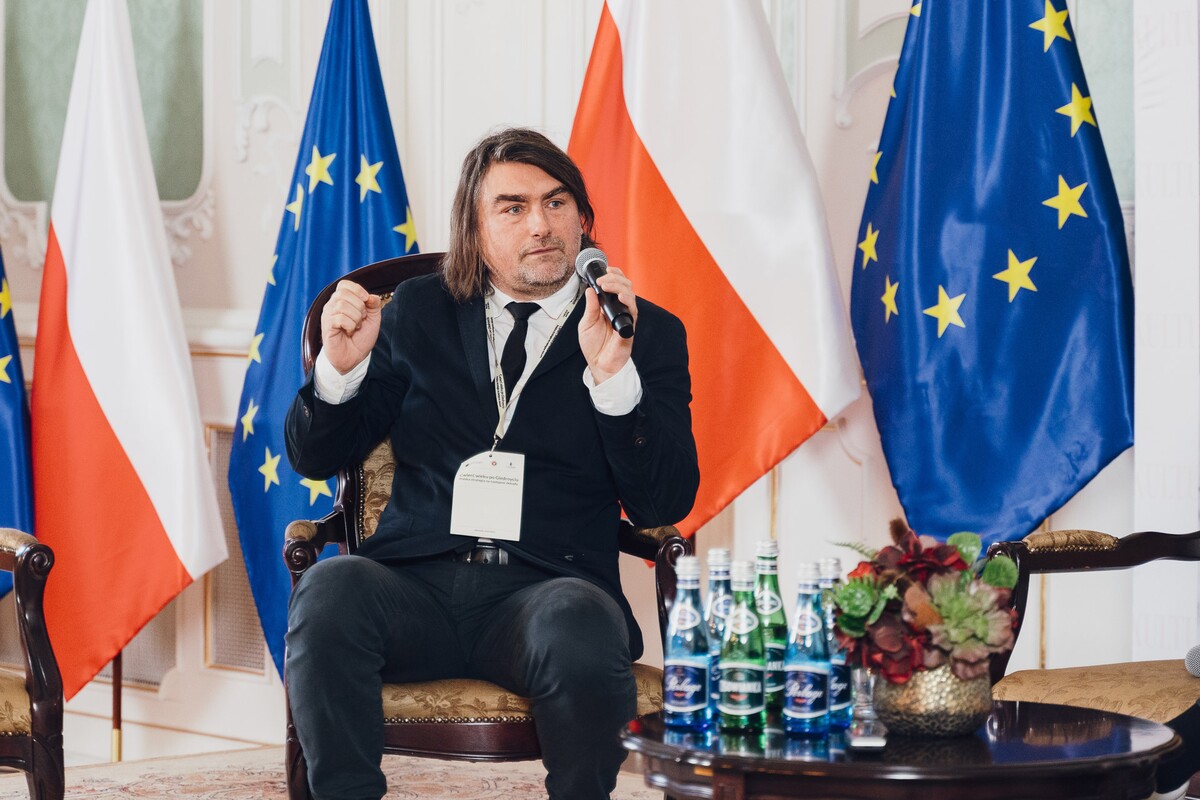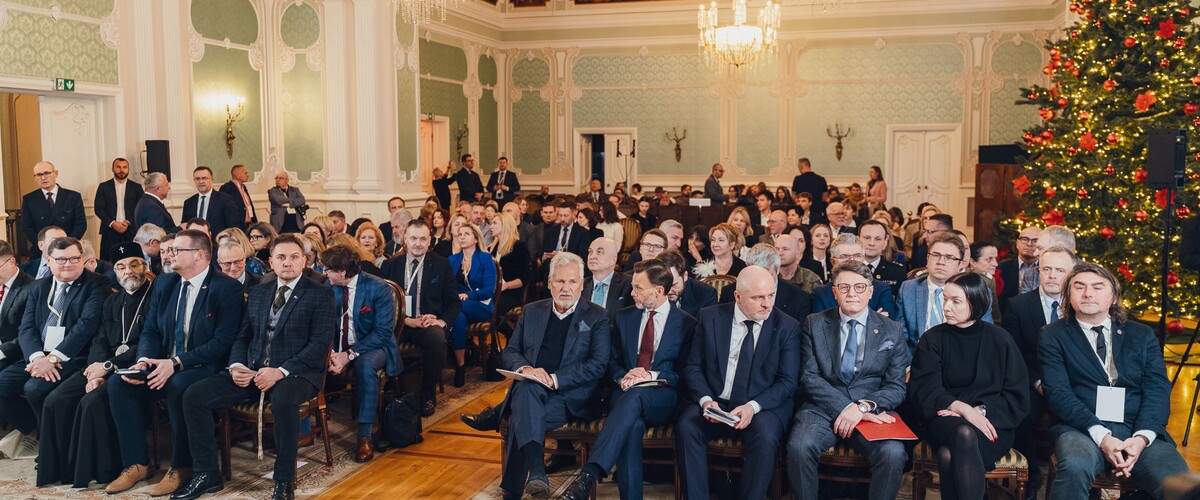
Poland’s foreign policy 25 years after the death of the editor of Kultura, Polish–Ukrainian and Polish–Russian relations, Eastern Europe in Poland’s strategic thinking, as well as the legacy of Jerzy Giedroyc were among the topics discussed by participants of the symposium “A Quarter Century after Giedroyc: Poland’s Strategy for the Coming Decades”.
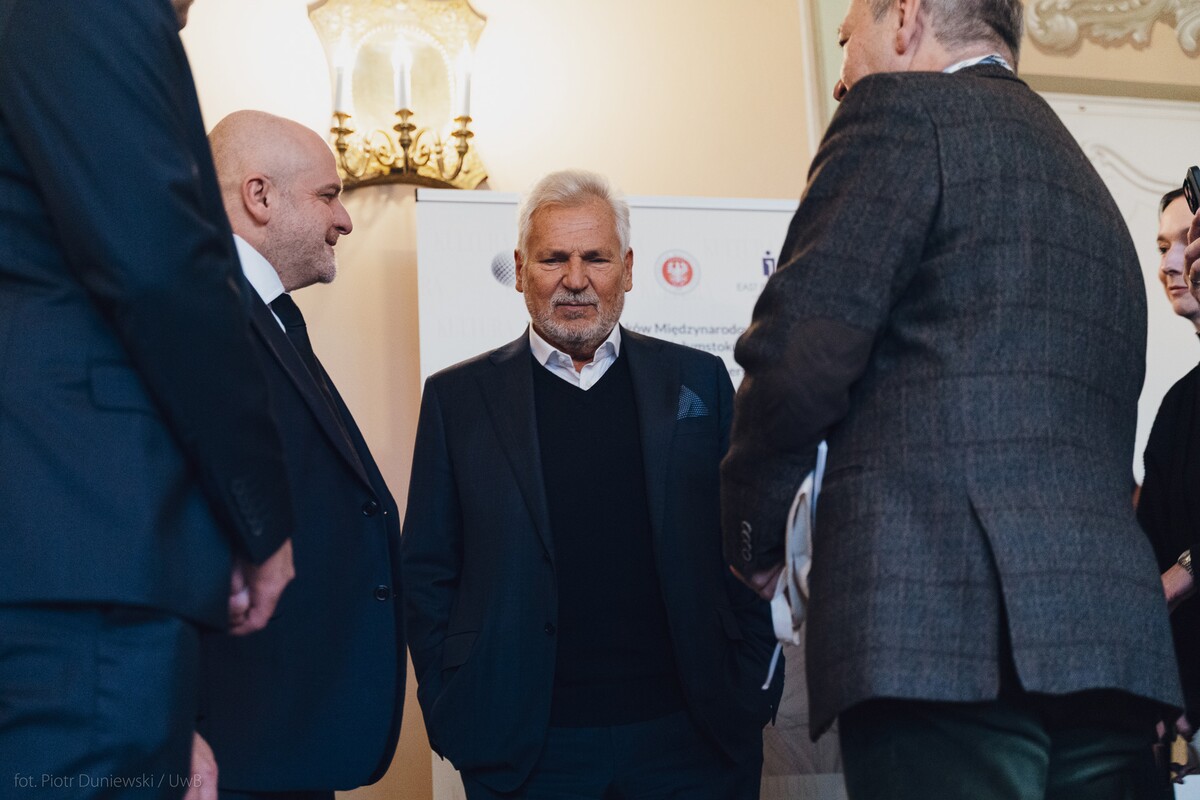
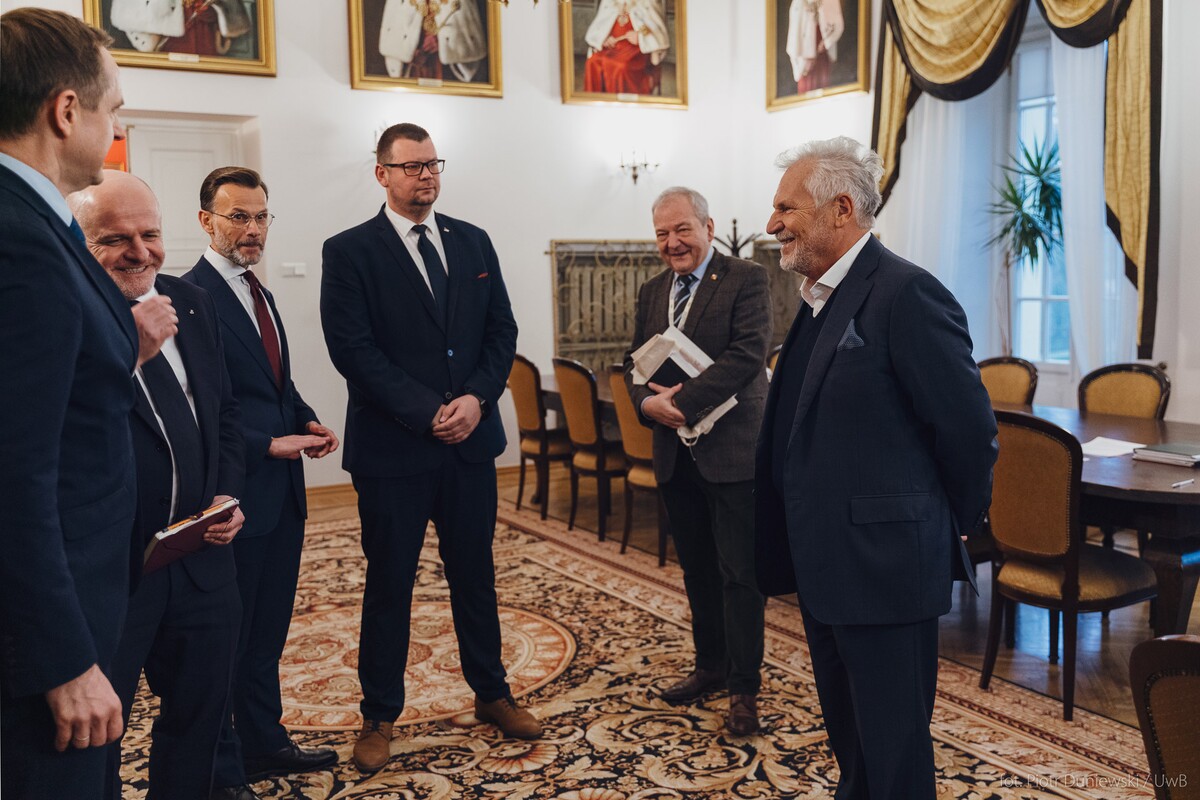
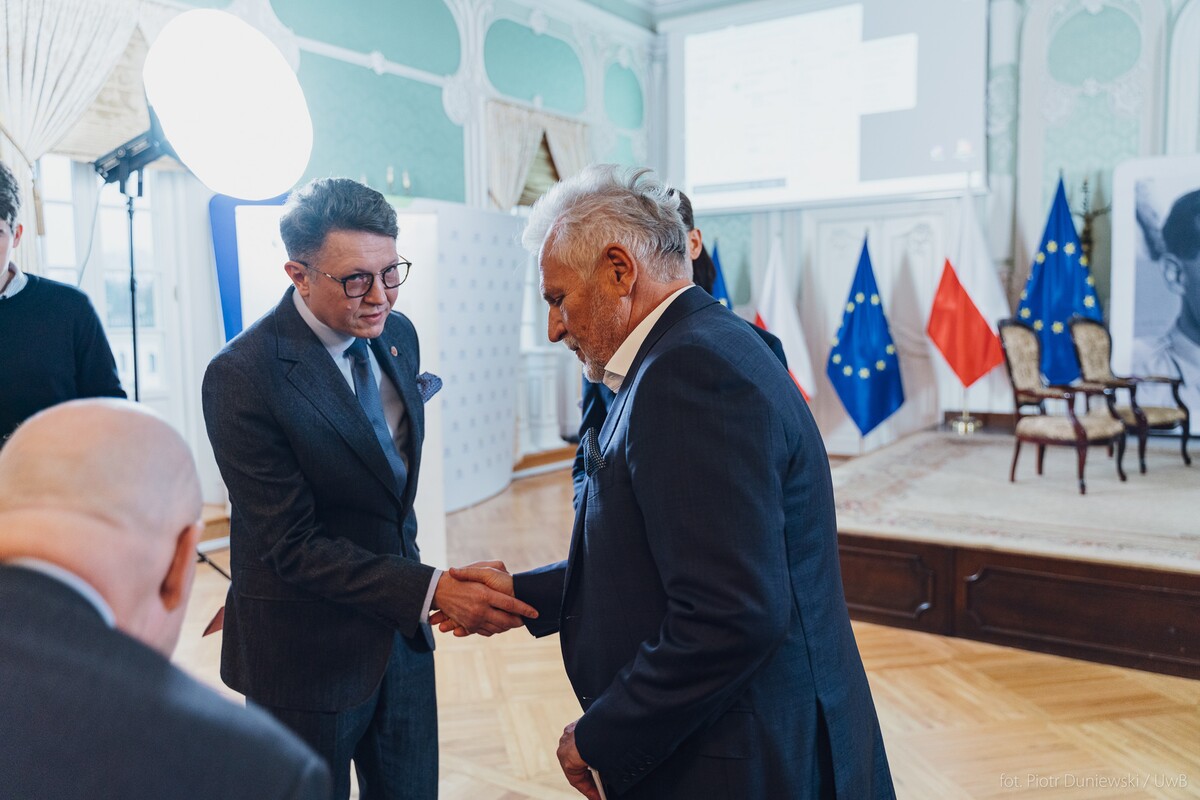
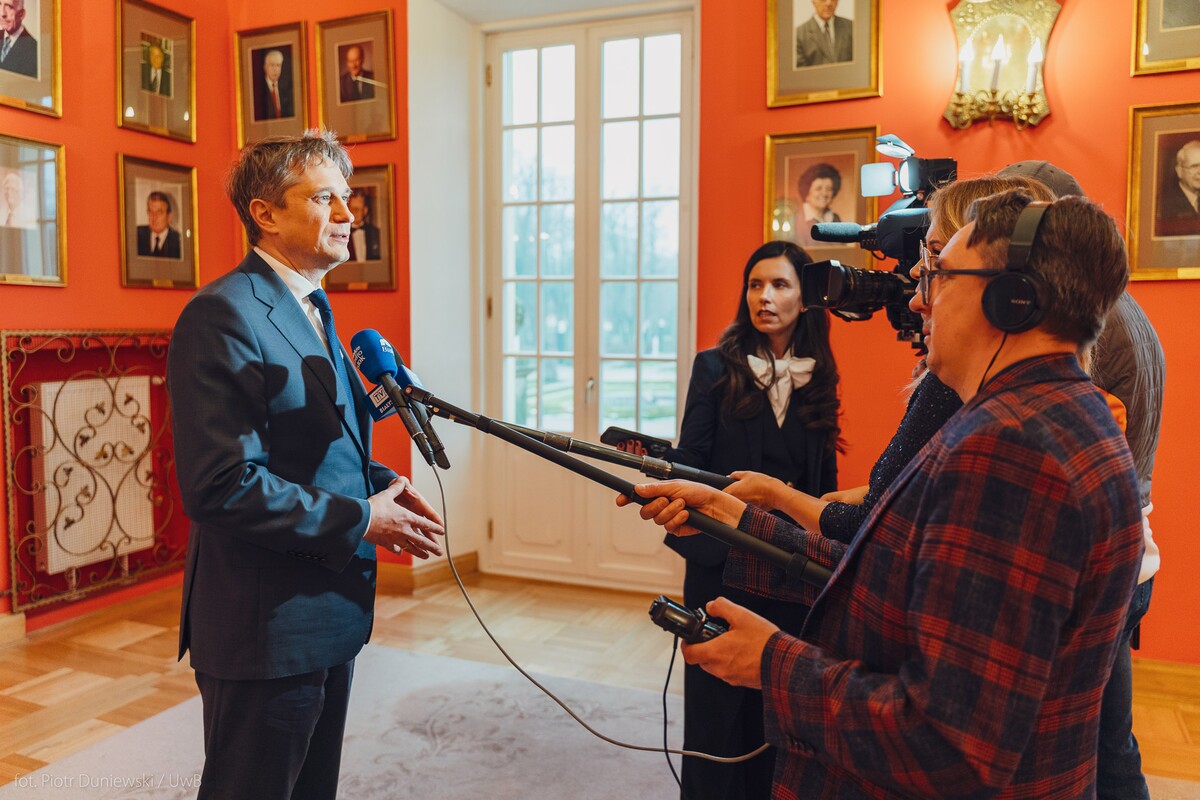
The event was organised on 10 December by the Faculty of International Relations of the University of Białystok in cooperation with the East Partners Association. The symposium brought together many distinguished guests, including former President of the Republic of Poland Aleksander Kwaśniewski and former Prime Minister Jan Krzysztof Bielecki.
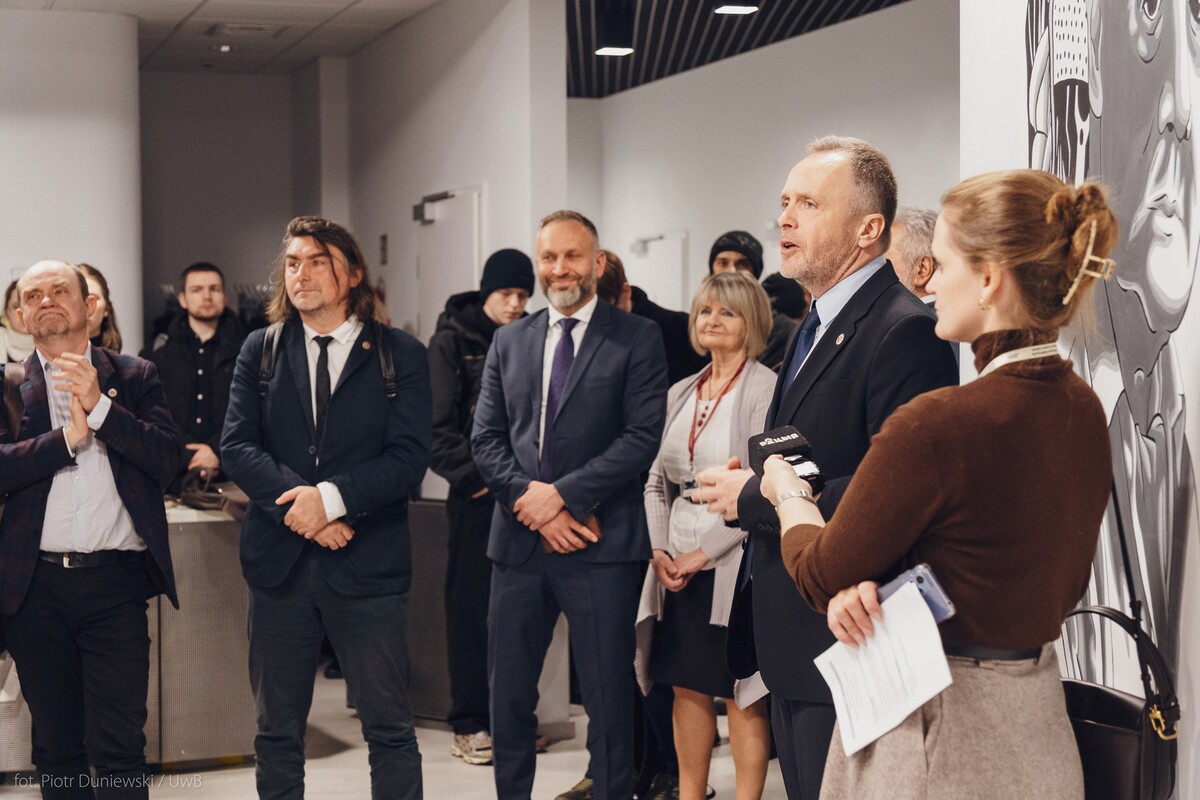
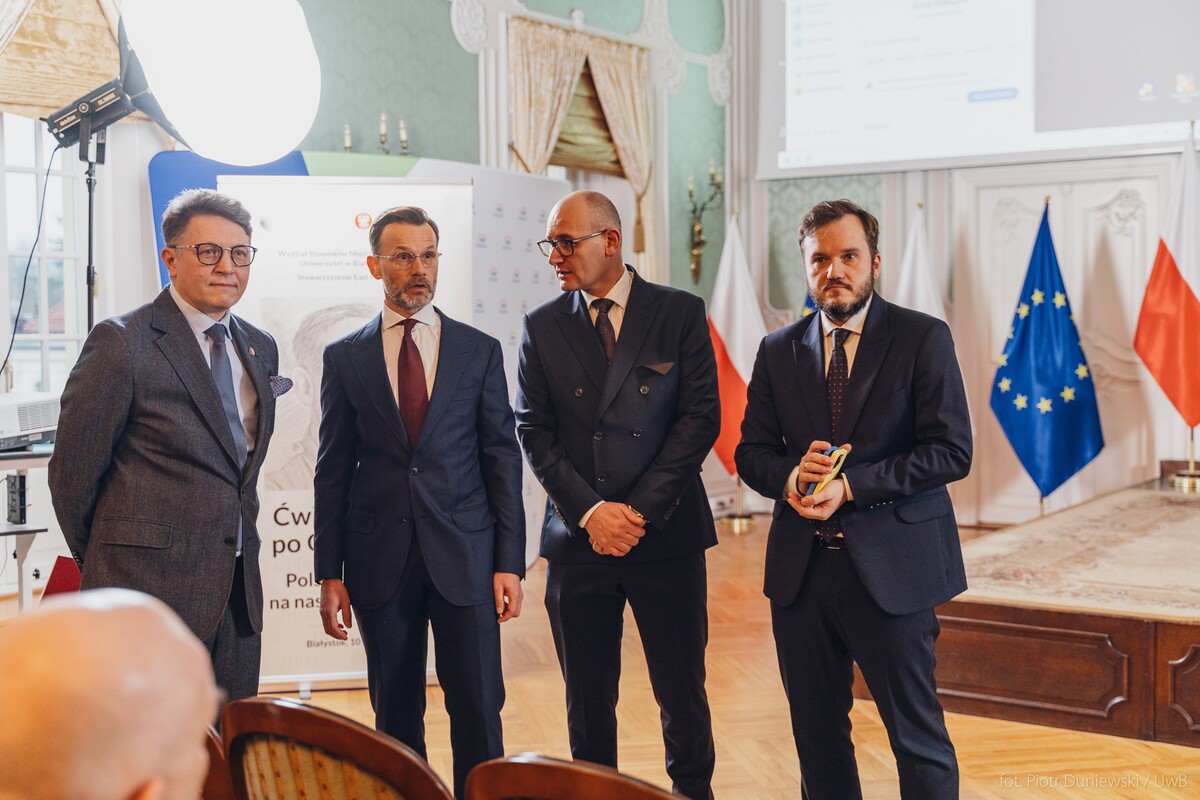
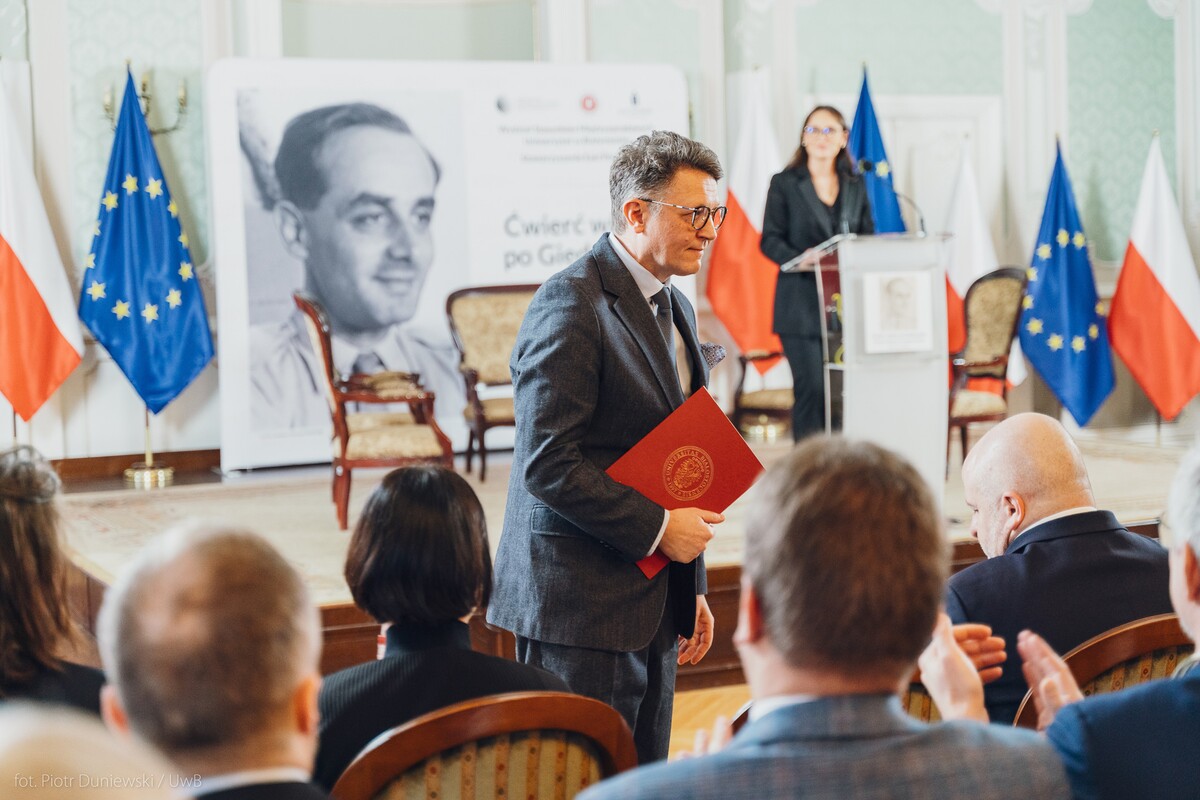
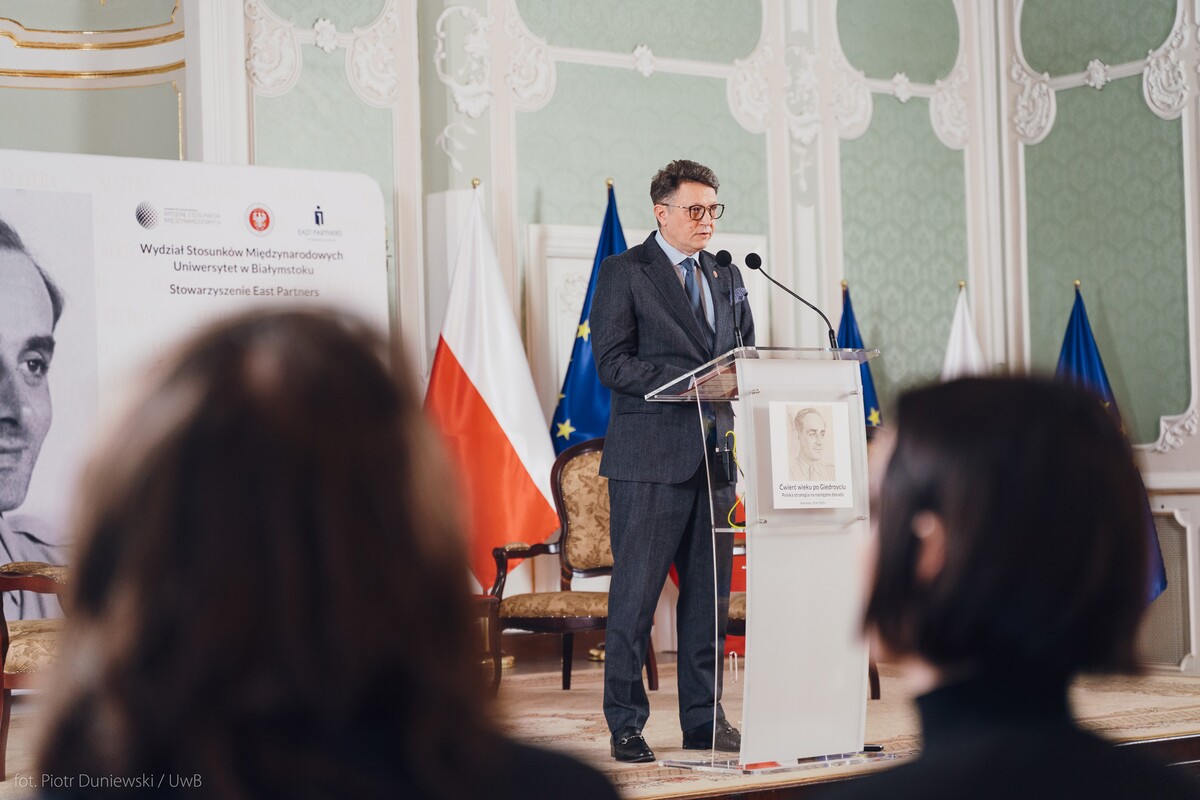
The guests were officially welcomed by the Rector of the University of Białystok, Prof. Dr hab. Mariusz Popławski, who in his address, referring to the ideas of Jerzy Giedroyc, spoke about the role of the University and the region in building relations with Eastern Europe. He also recalled, among other things, that the editor of Kultura (Culture) monthly periodical was the first recipient of the title of Doctor Honoris Causa of the University of Białystok.
“The Editor, even before our University was established, said that the academic community that would emerge in Białystok should specialise in the East, while the university in Wrocław should focus on the West, and that it is along these two directions that Poland’s raison d’état should be built. I would also like to remind you here of the words of President Aleksander Kwaśniewski, spoken here in Białystok on 30 August 1997, when he handed the act establishing the University of Białystok to the first Rector, Professor Adam Jamróz. The President emphasised at the time that our University has a very important role to play not only in north-eastern Poland, but also in the European dimension; that as a university we should influence our neighbours, cooperate with Belarus, Lithuania, Ukraine and Russia, and shape the University as part of a common Europe—a Europe without barriers, with unrestricted exchange of ideas and experience. Please note how similar the message is in both of these statements,” said Prof. Dr hab. Mariusz Popławski, Rector of the University of Białystok.
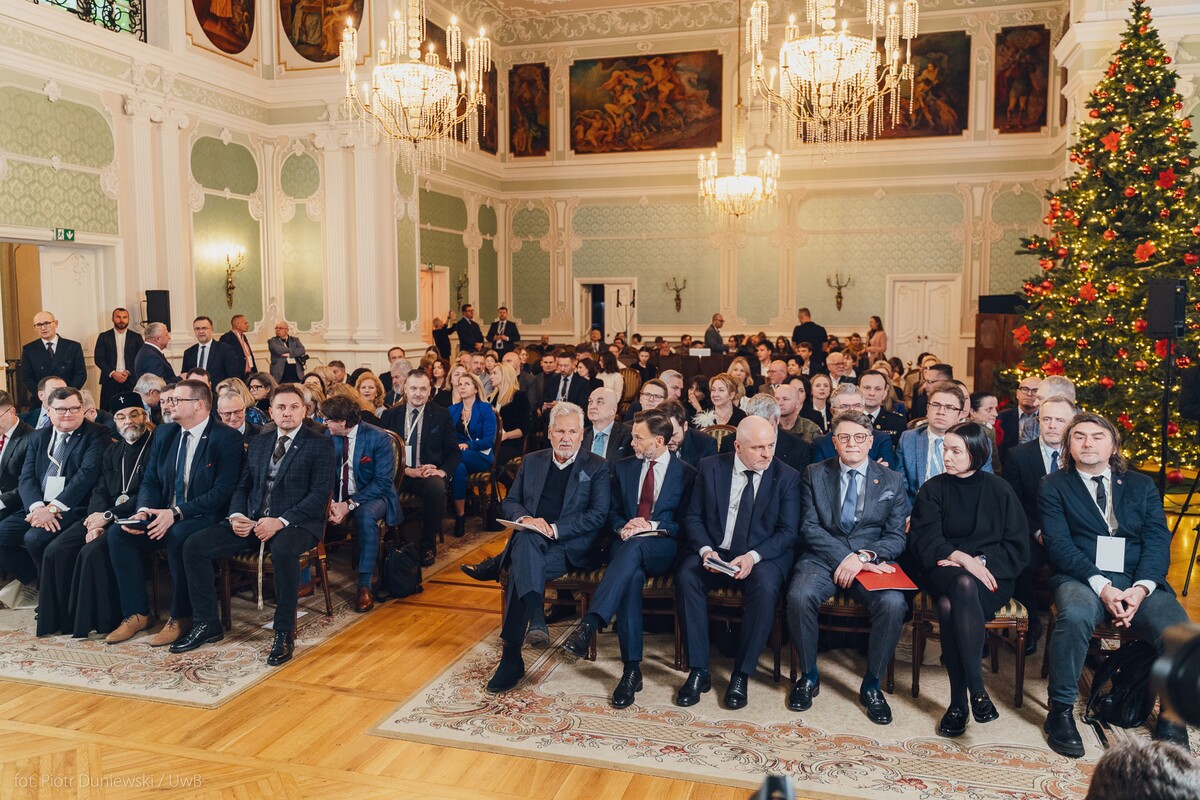
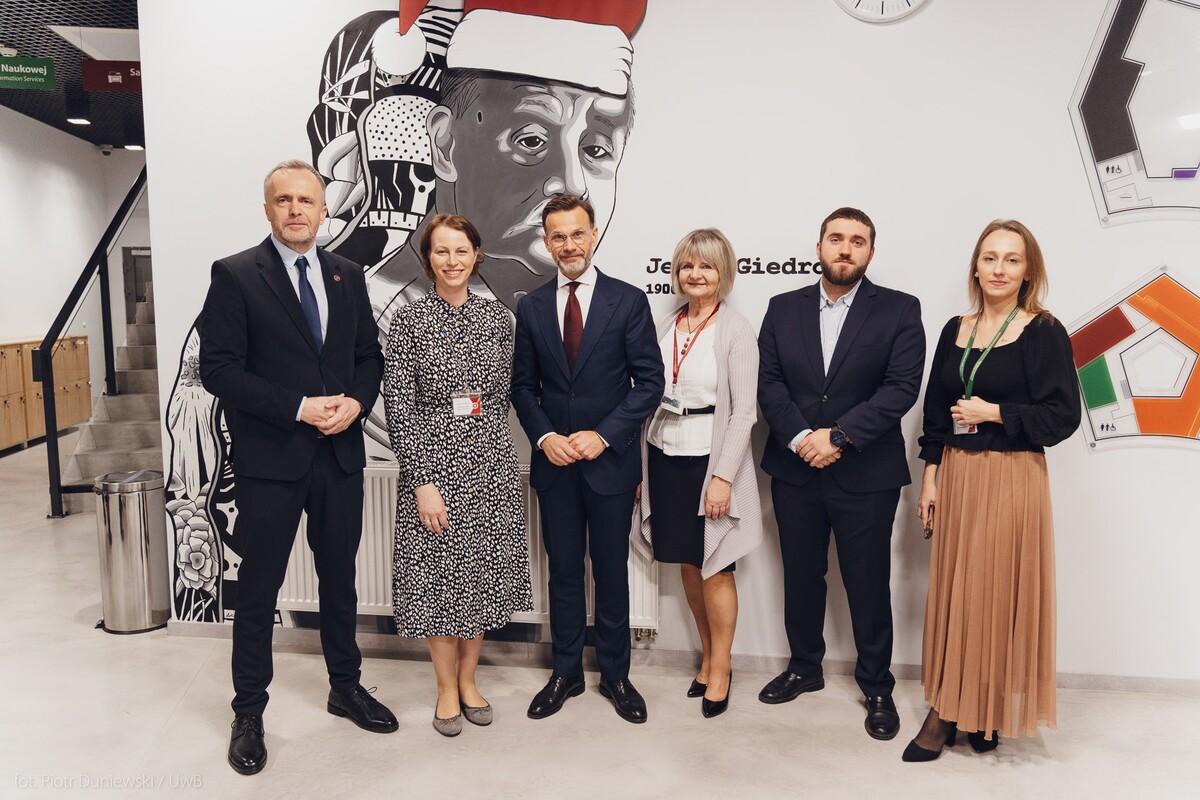
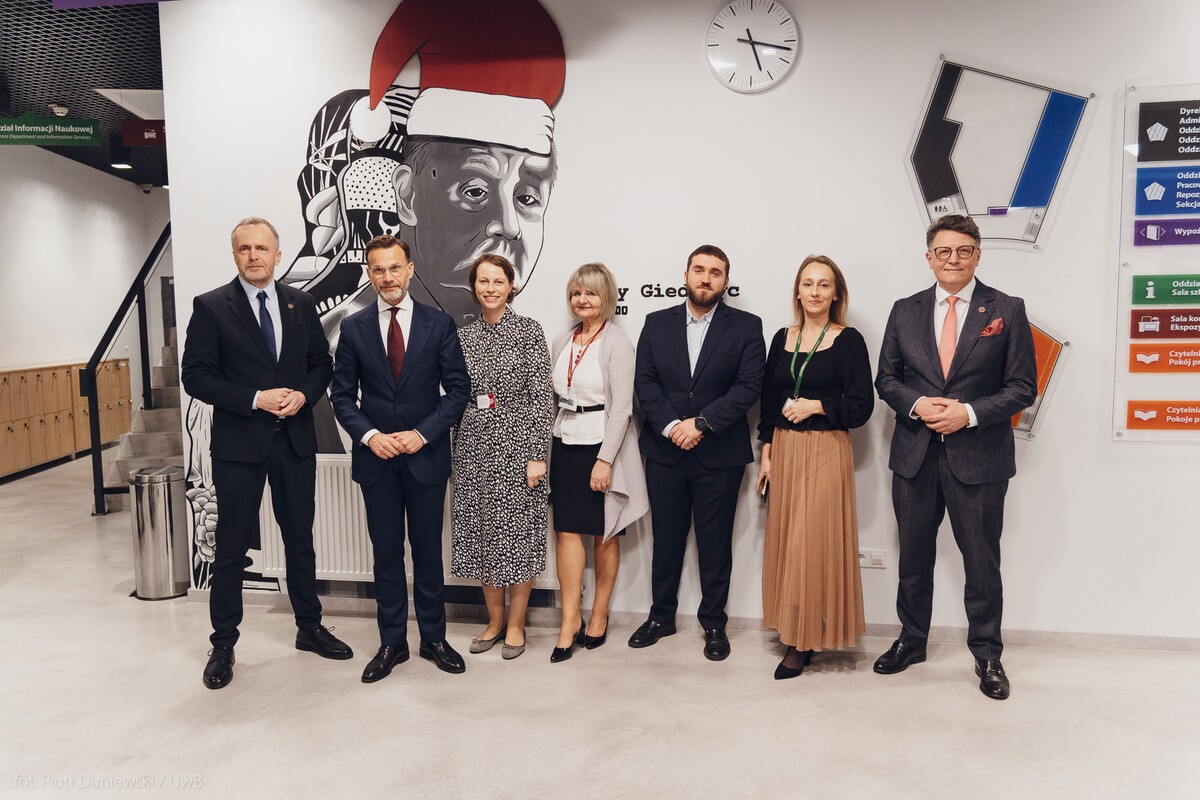
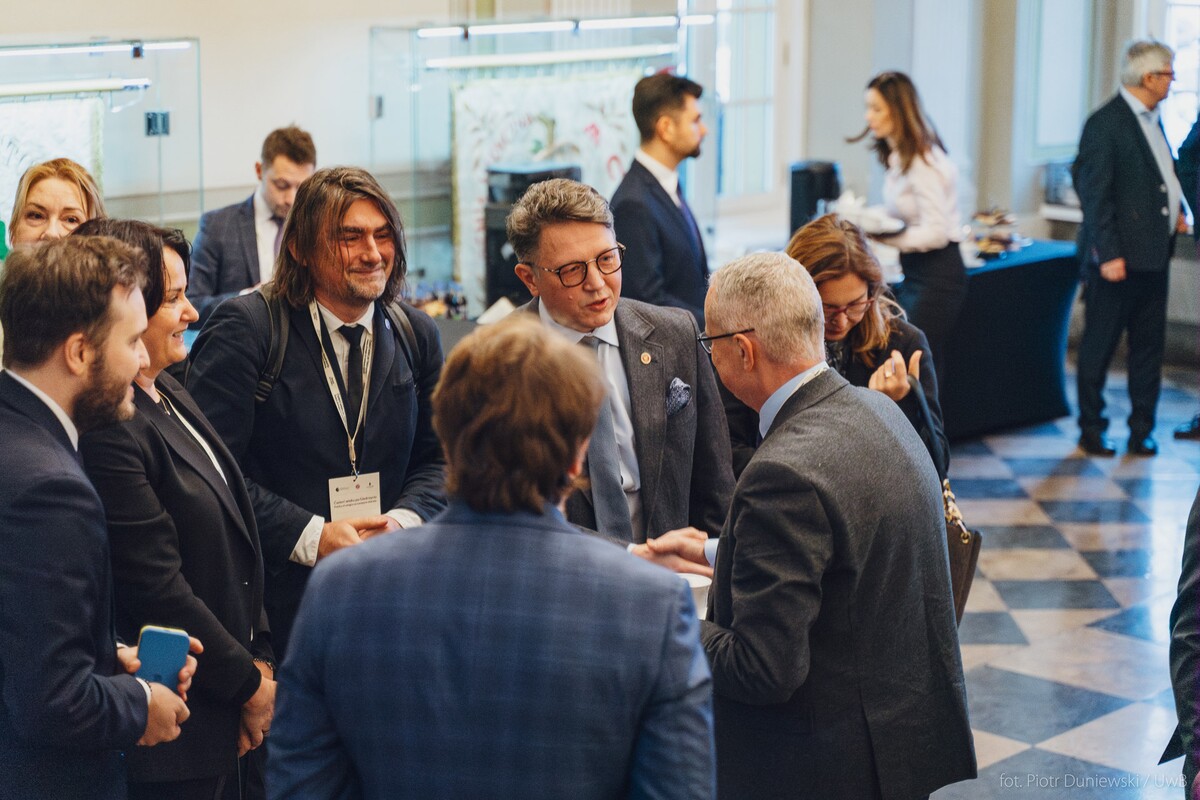
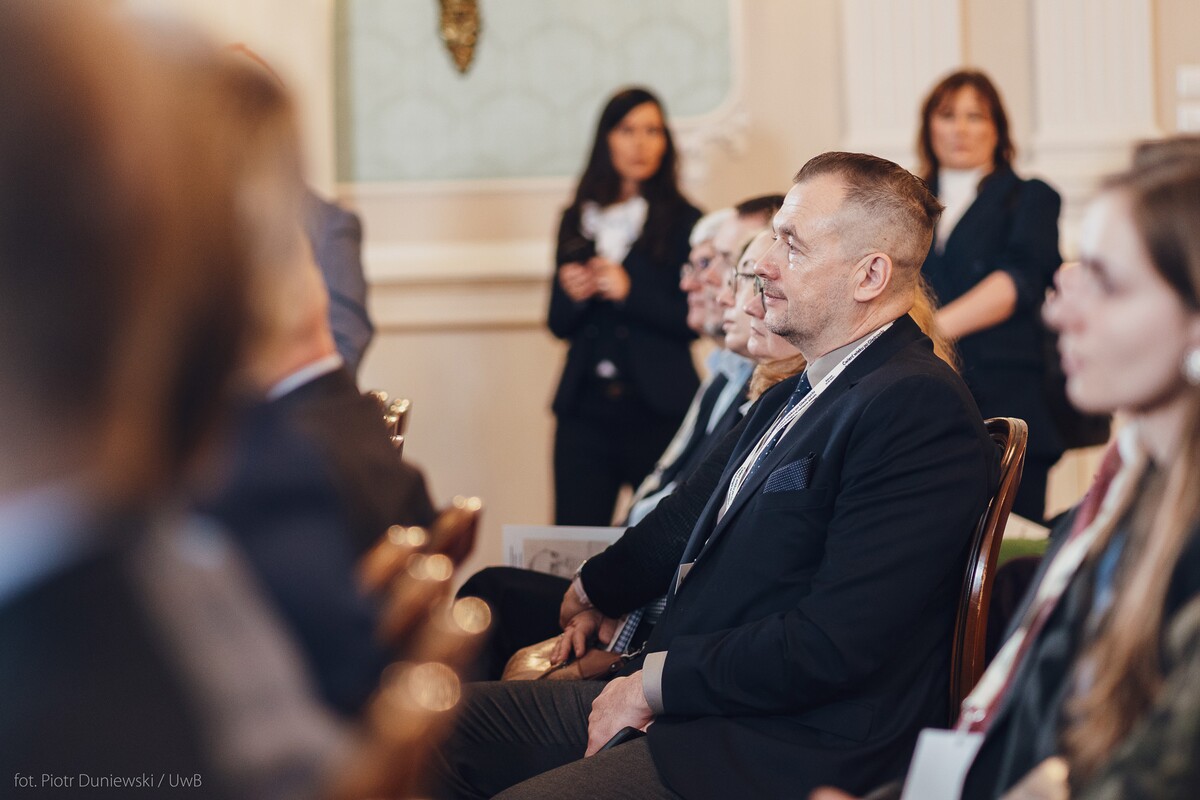
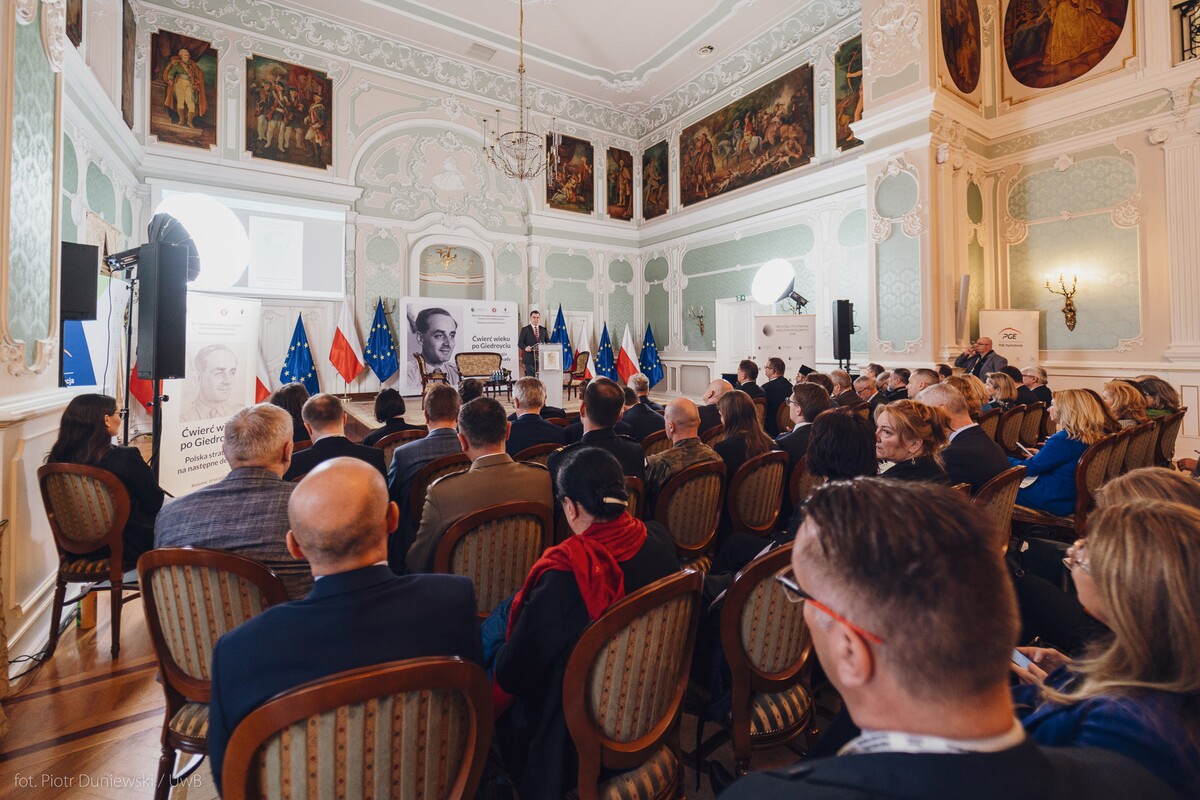
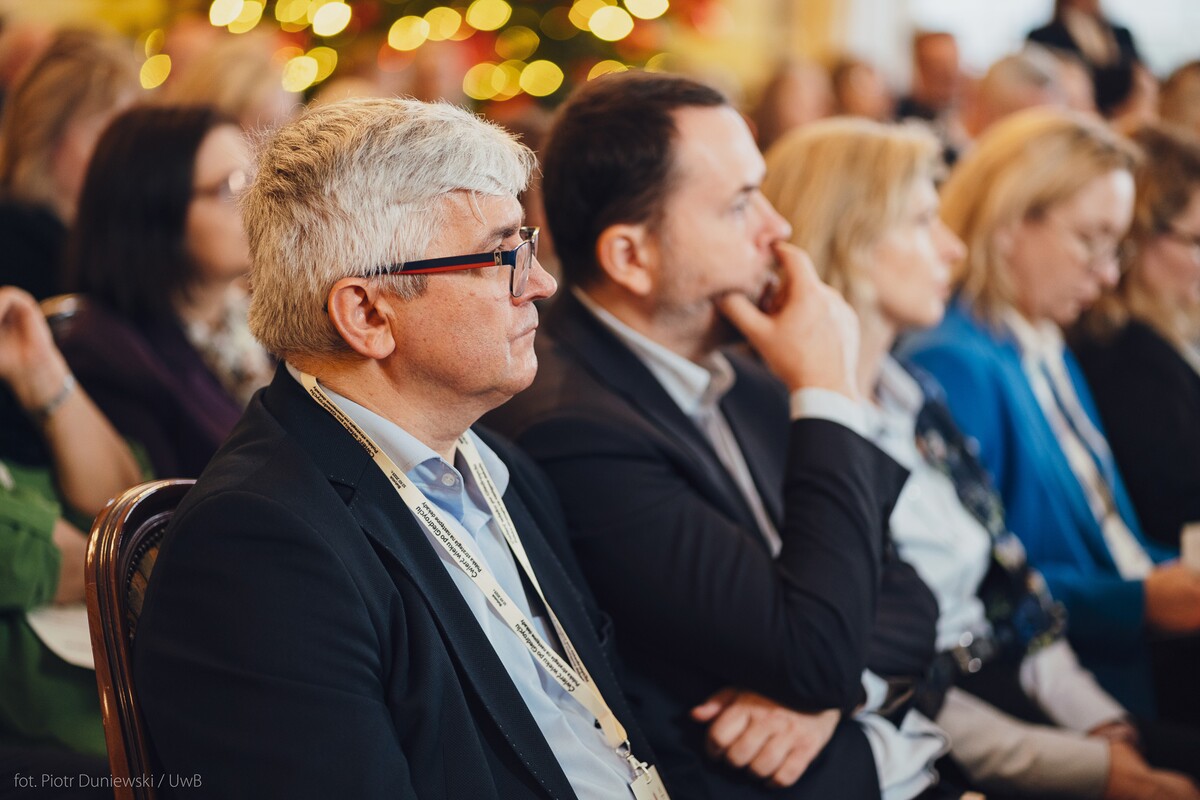
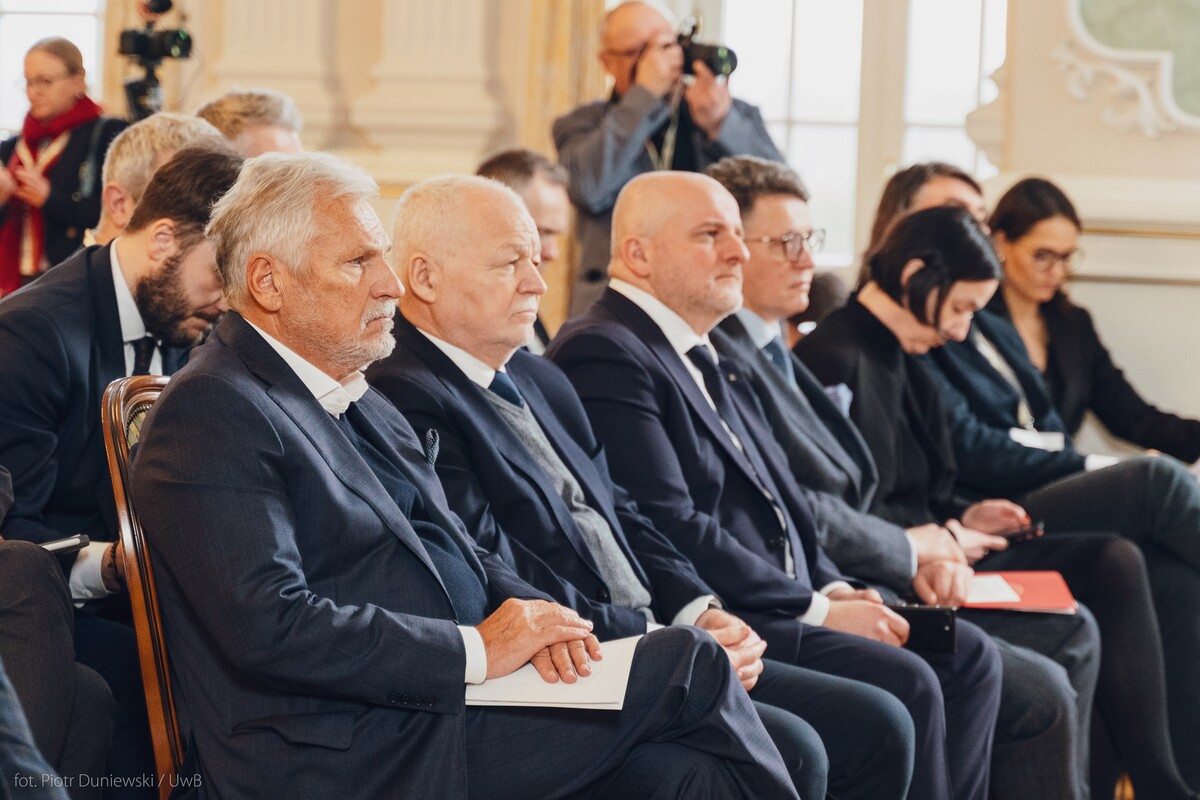
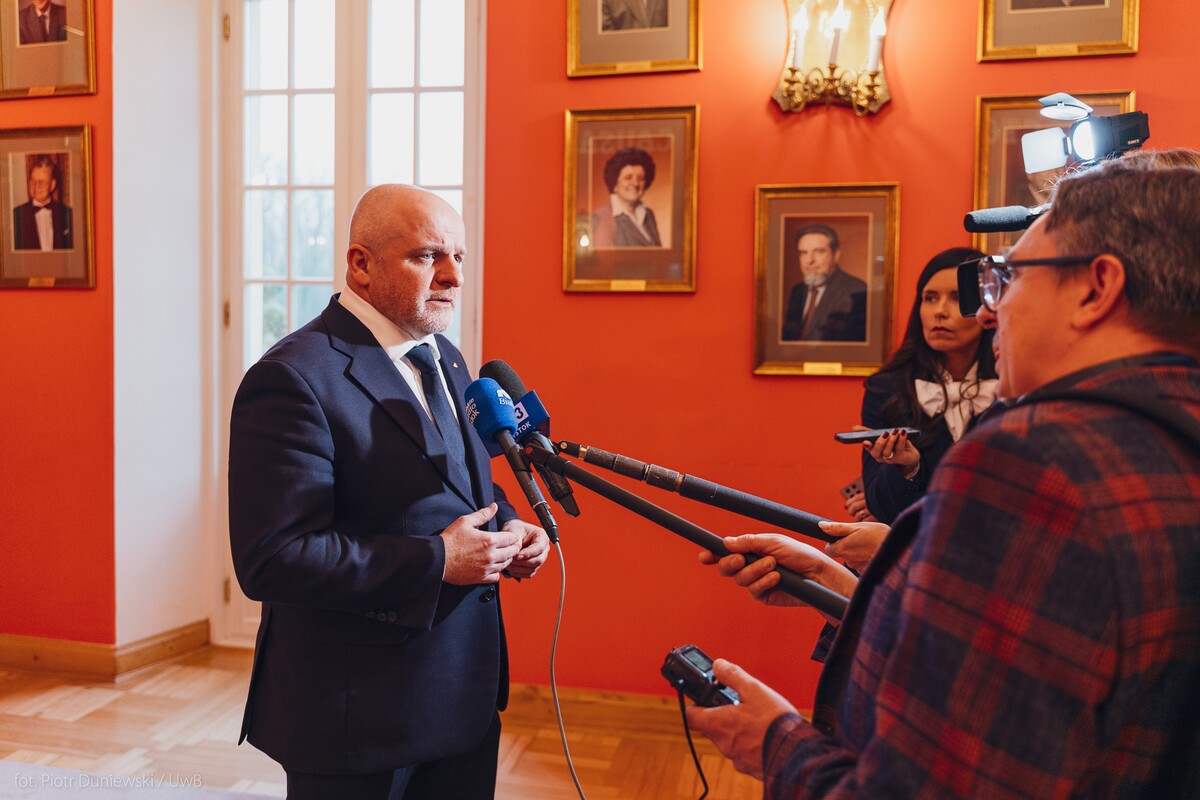
The symposium was attended by numerous prominent figures, including former President of the Republic of Poland Aleksander Kwaśniewski, former Prime Minister Jan Krzysztof Bielecki, Paweł Kowal—Chair of the Council for Cooperation with Ukraine, Sławomir Dębski long-time Director of the Polish Institute of International Affairs, as well as rectors and scholars from the largest universities in the Podlaskie region, representatives of the authorities of the City of Białystok and the Podlaskie Voivodeship, uniformed services, clergy, entrepreneurs and students.
The co-organisers the Faculty of International Relations of the University of Białystok were represented, among others, by Dr hab. Adam Bartnicki, Prof. UwB, Dean of the Faculty; Dr Jacek Brzozowski (Voivode of Podlaskie); Prof. Dr hab. Wojciech Śleszyński; Dr hab. Karol Łopatecki, Prof. UwB; and Dr Artur Konopacki.
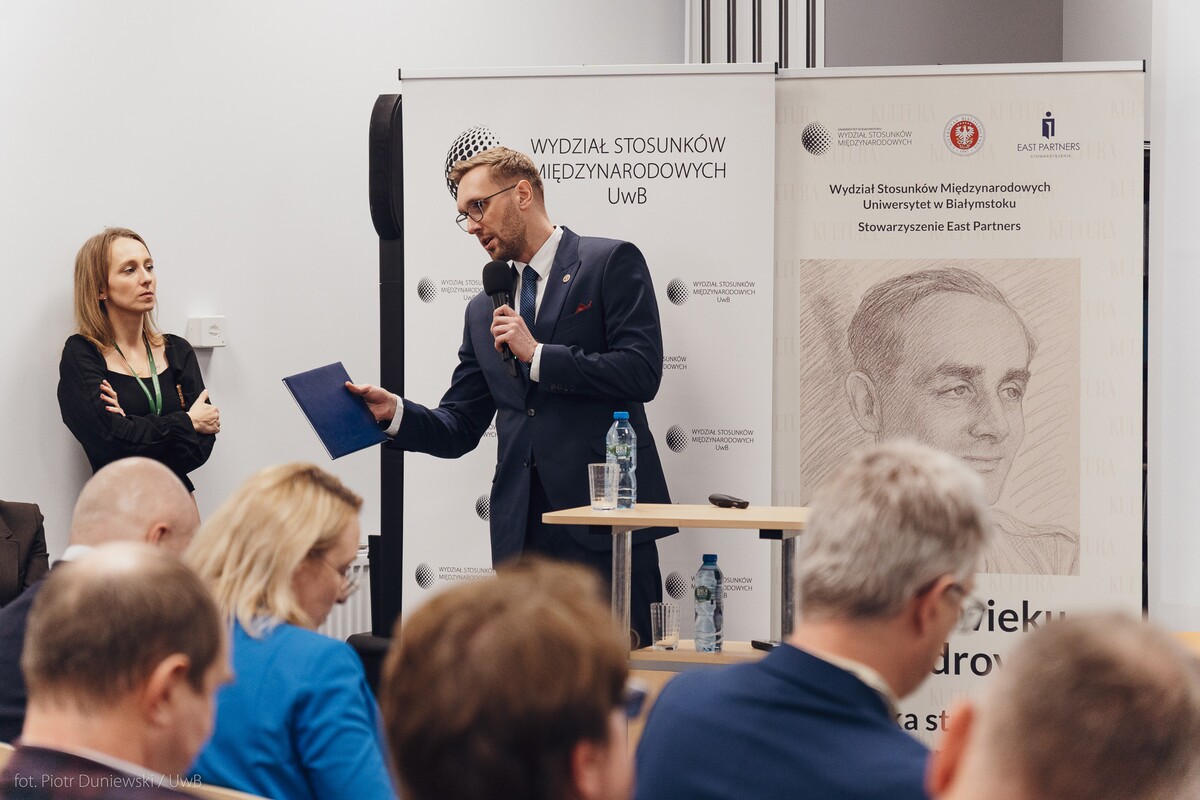
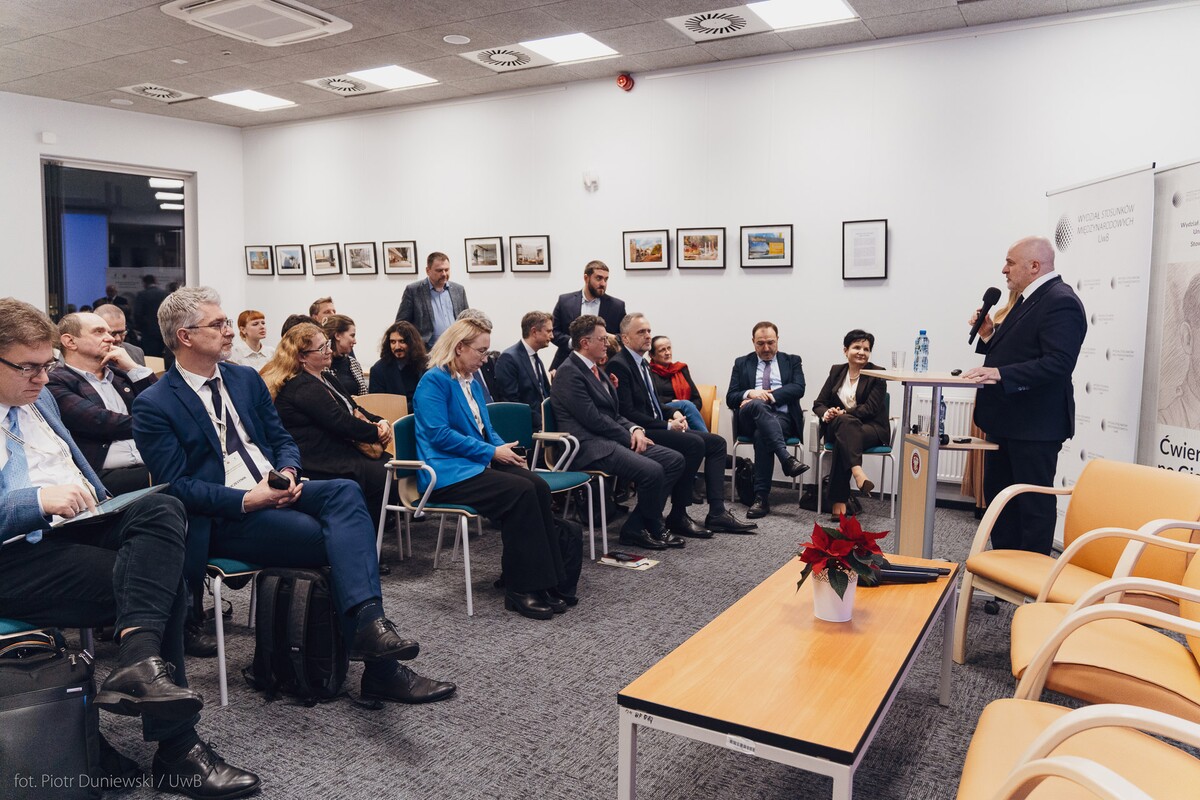
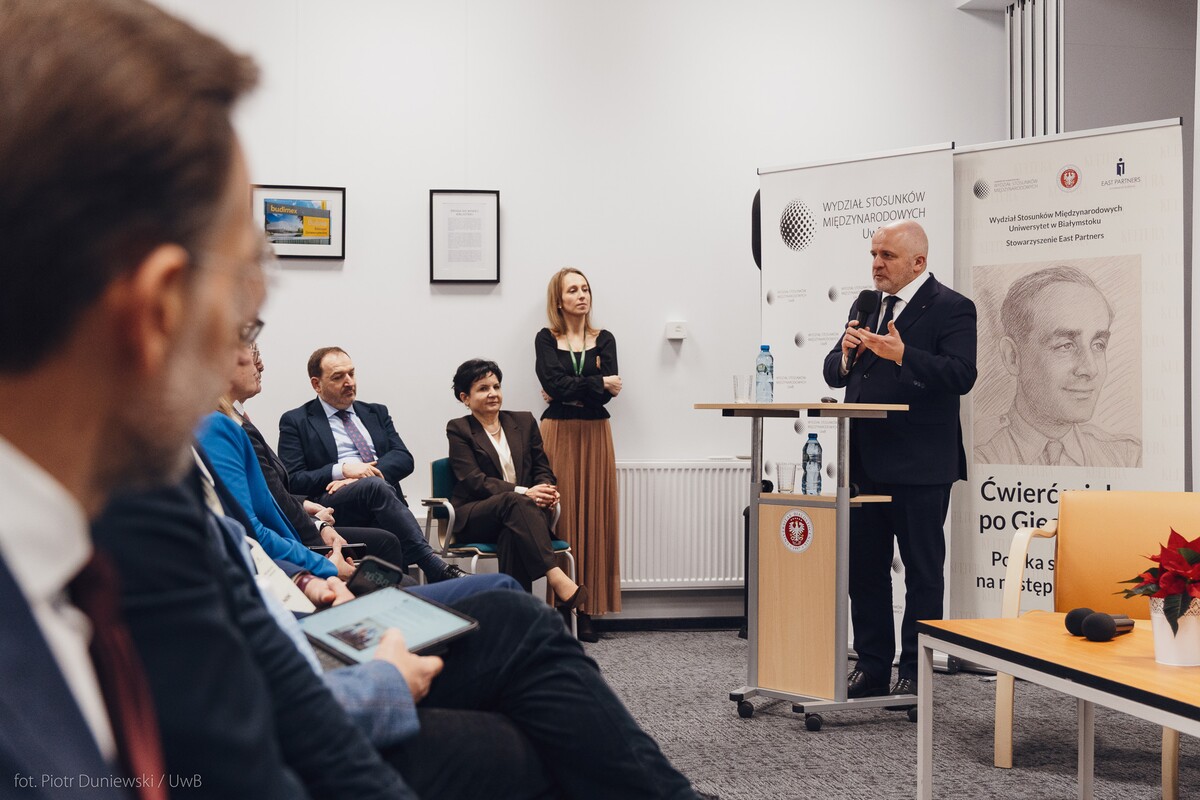
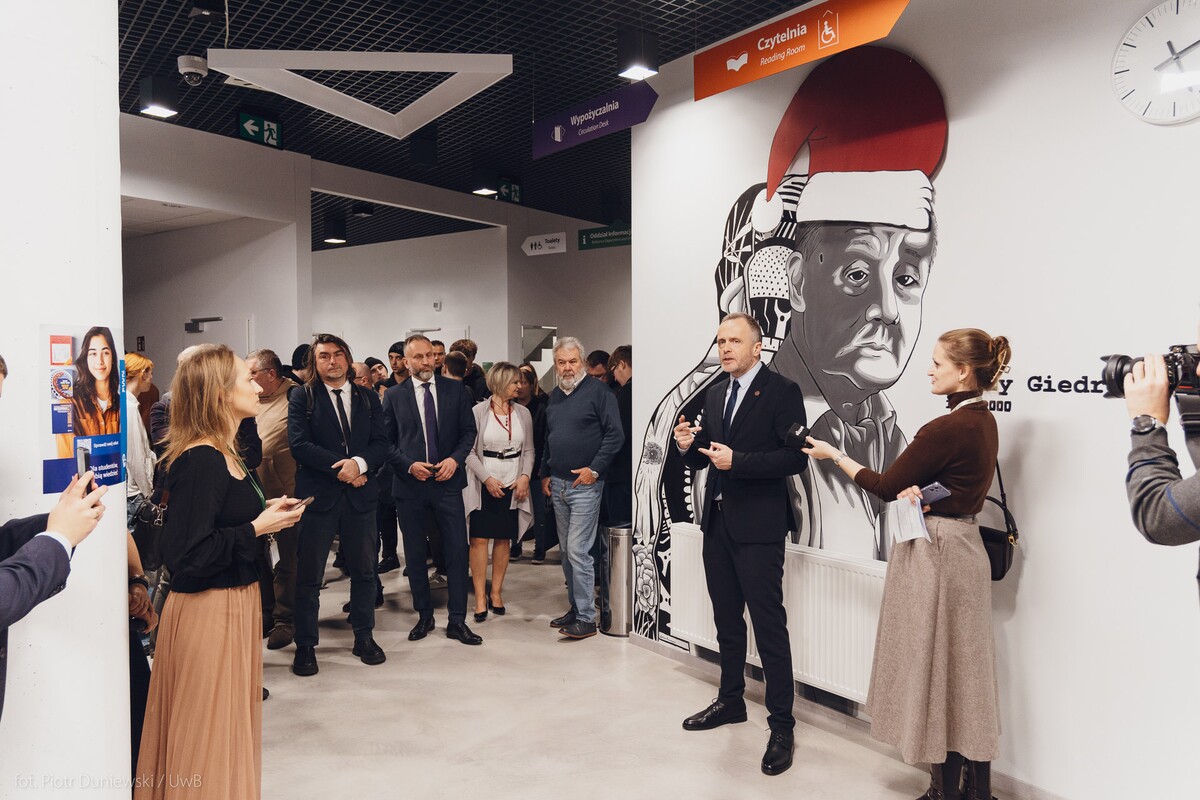
The first part of the event took place in the Aula Magna of the Branicki Palace, while the second part was held at the Jerzy Giedroyc University Library.
During the symposium, participants discussed, among other topics, Poland’s strategy towards the East 25 years after the death of Jerzy Giedroyc; his legacy and whether the ideas of the editor of Kultura remain relevant; Polish–Ukrainian and Polish–Russian relations; future scenarios for Central Europe; Poland’s eastern policy during wartime; and disinformation campaigns targeting society.
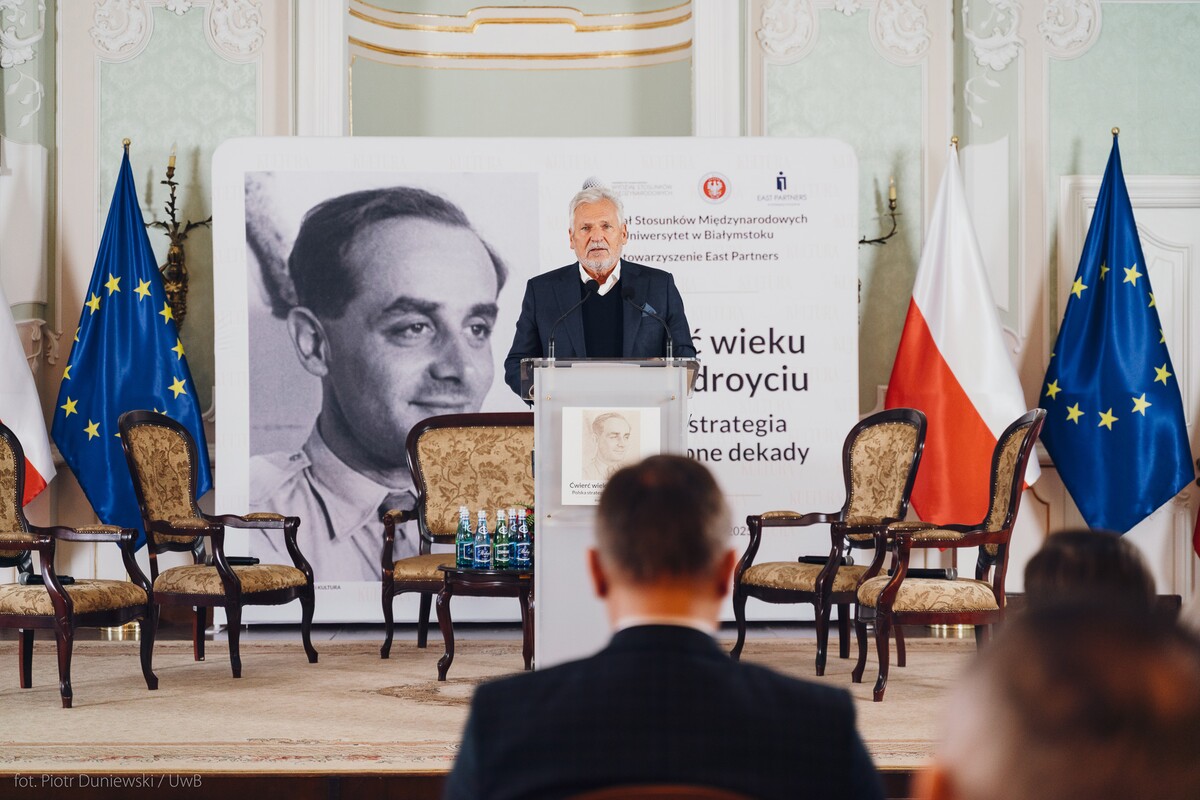
“Twenty-five years after the death of Jerzy Giedroyc, one can say that his legacy is still alive, his way of thinking remains important, and his insight deserves the highest respect. However, conditions are changing very, very rapidly. Today, we could certainly use more figures of this kind; figures who would also have an impact on what happens in current, real politics, so that we do not make mistakes. This was also one of the lessons of Jerzy Giedroyc and his collaborators, who lived for Poland at all times, but warned against closing oneself within one’s own framework and walls, because that terribly limits one’s perspective,” said former President Aleksander Kwaśniewski.
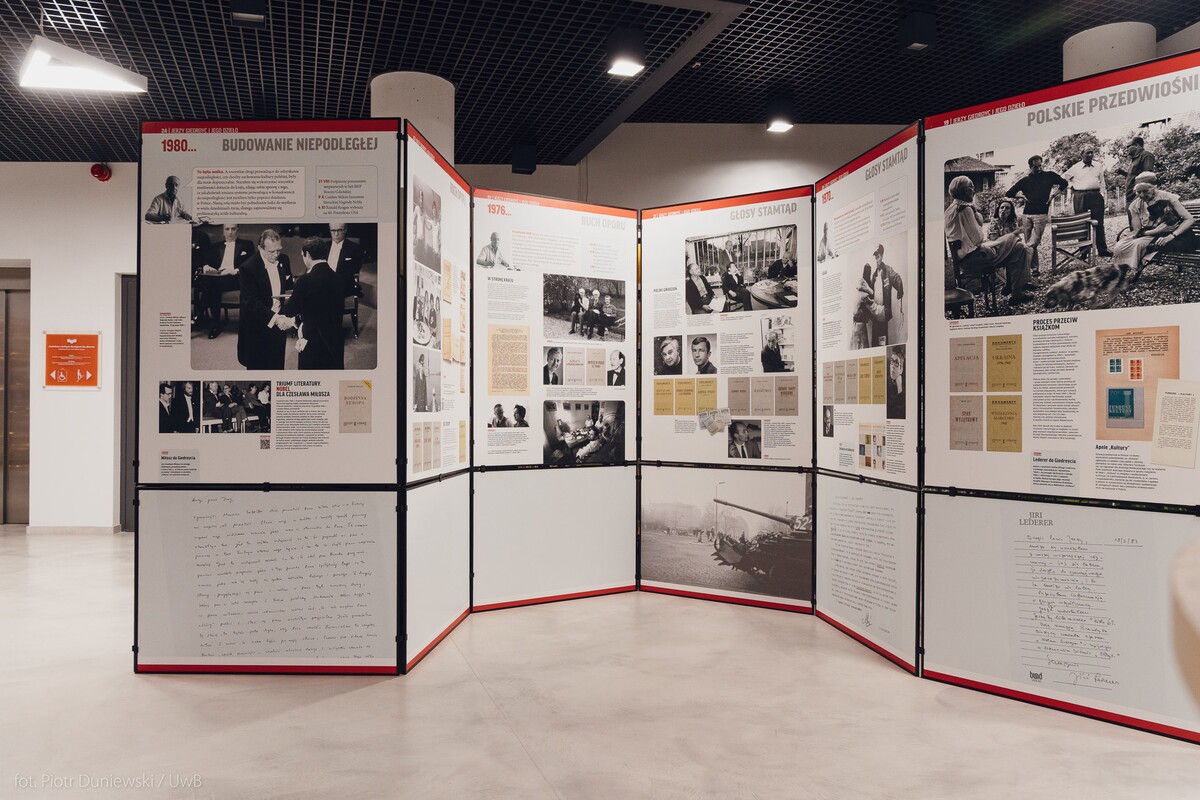
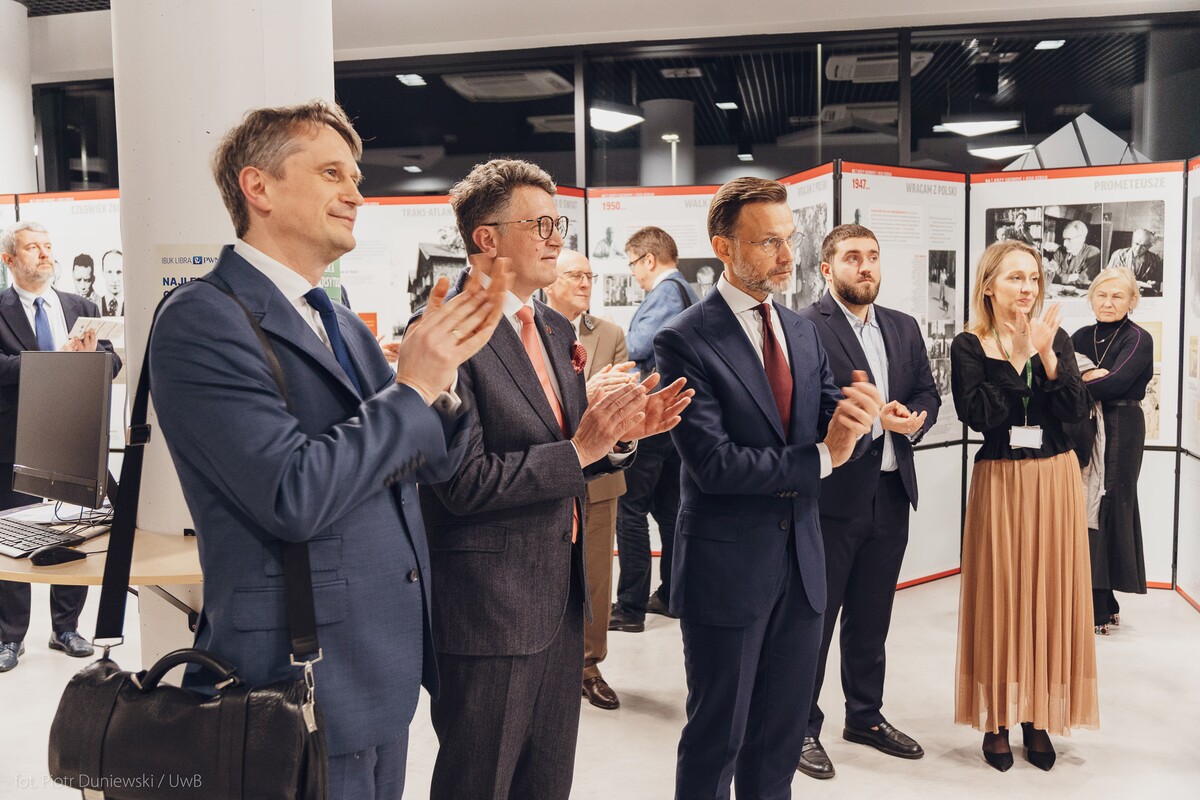
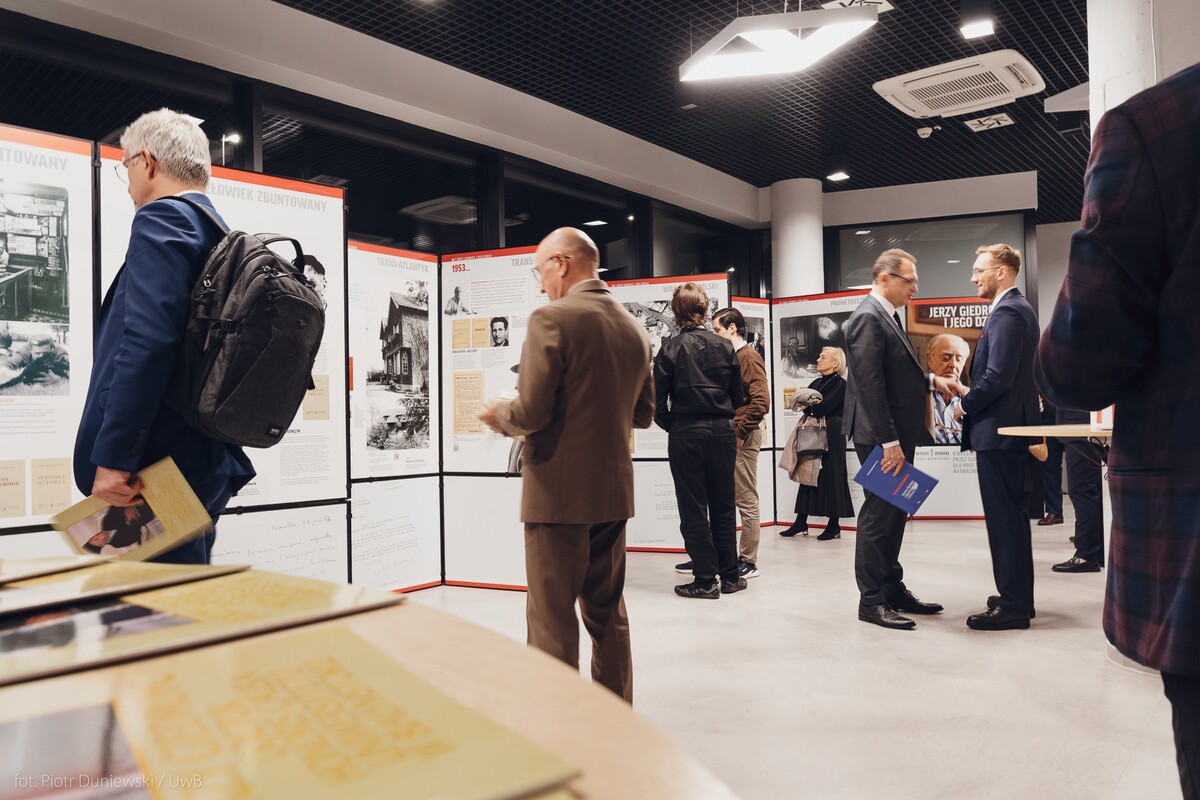
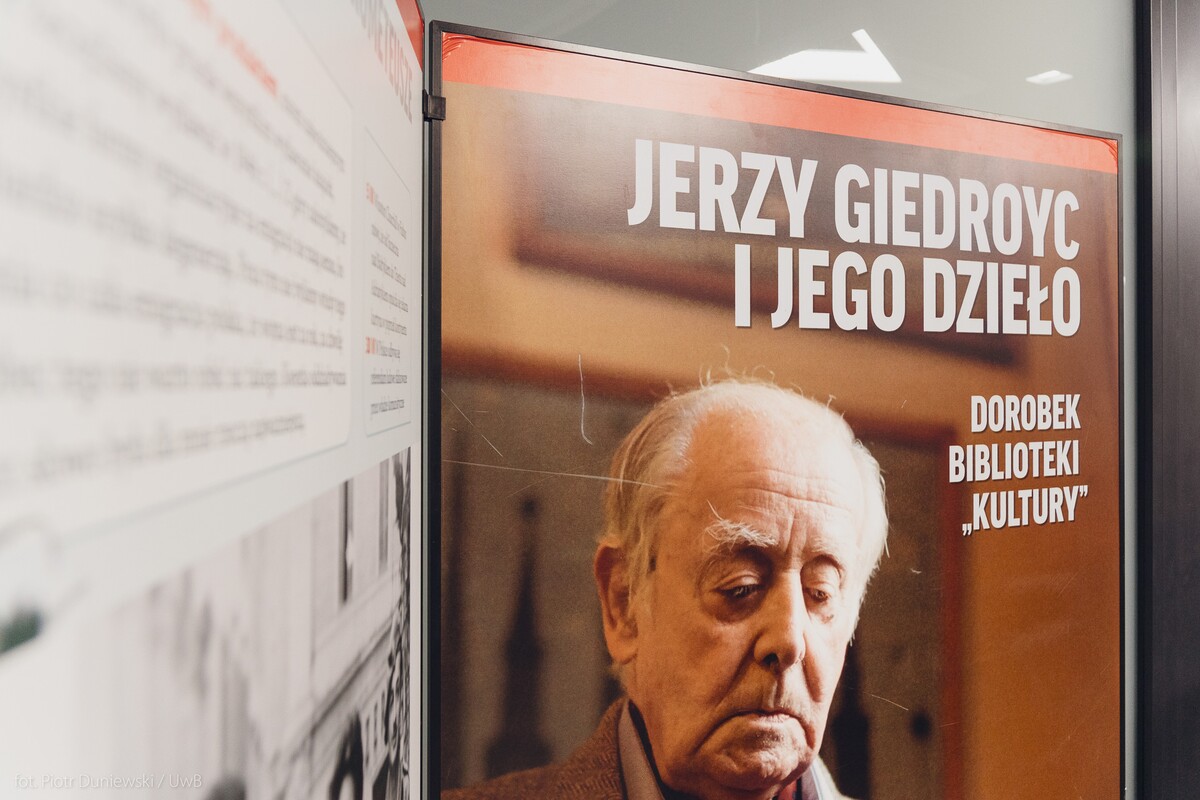
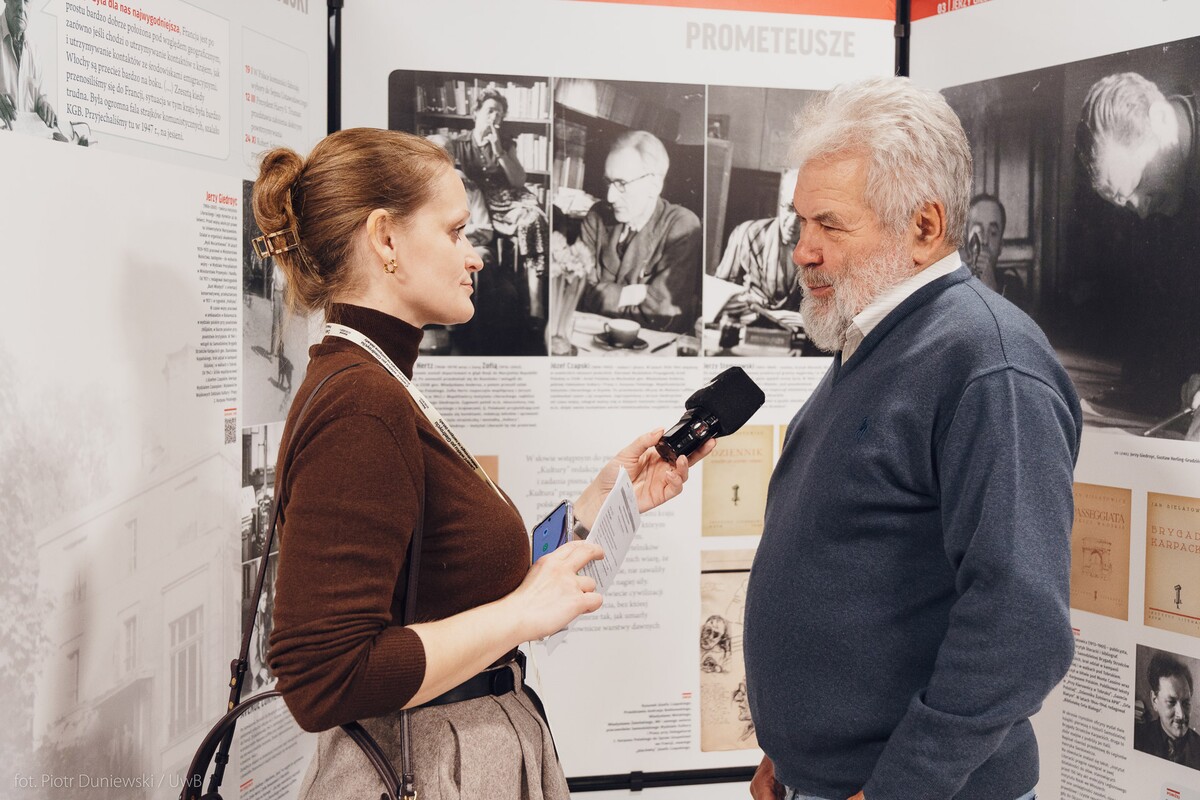
Following the symposium, the exhibition “Jerzy Giedroyc and His Work” was officially opened at the Jerzy Giedroyc University Library. The exhibition is presented in the main hall of the Main Library (1R K. Ciołkowskiego Street) and will be open to visitors until 26 March 2026. The event symbolically inaugurates a year devoted to the work and legacy of the editor of Kultura.